Philippe Robert’s HDR: TCR & Antibody Kinetics via Laminar Flow Chamber, Medical Applications, and Microprinted Assays

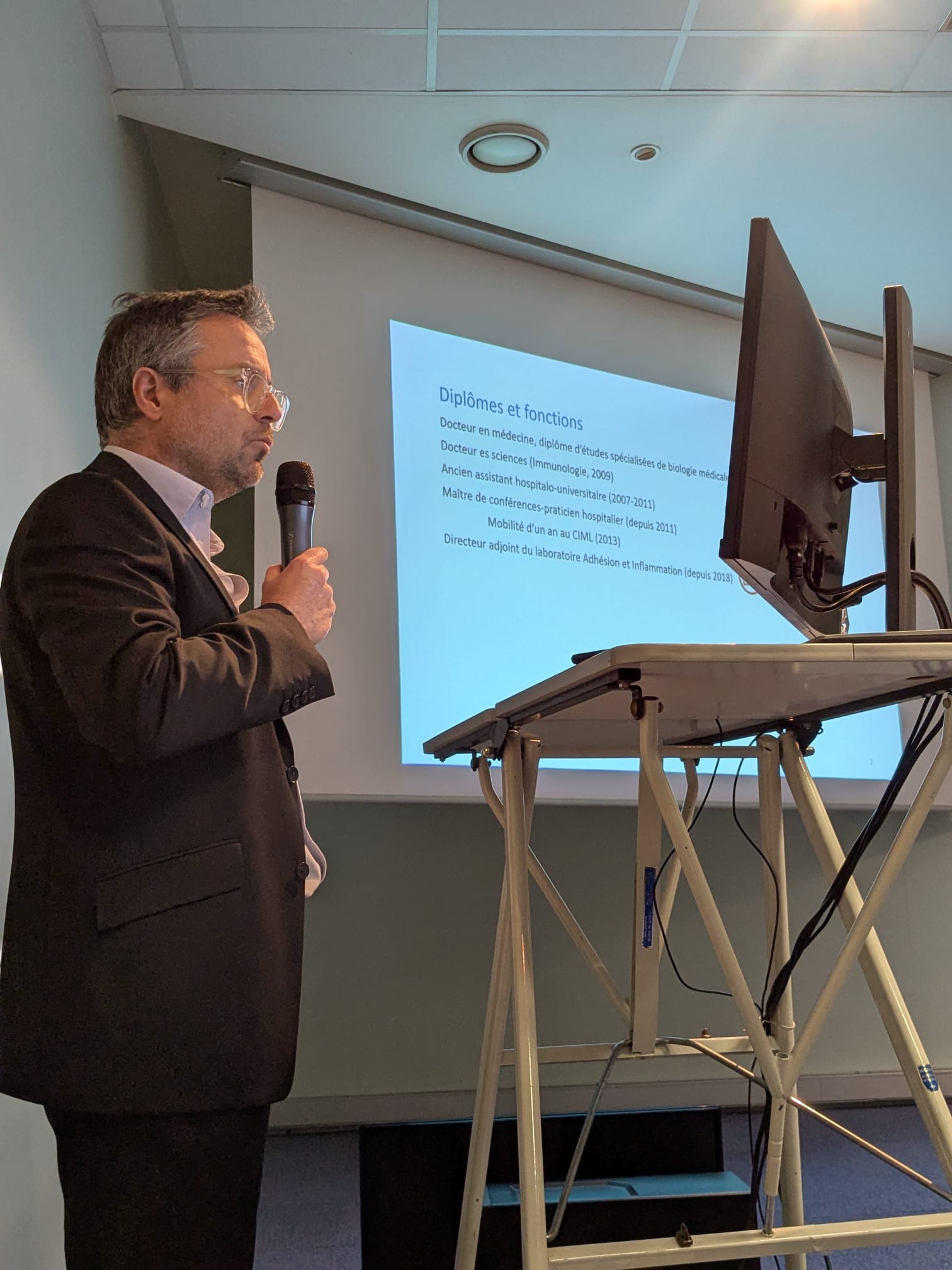
Philippe Robert defended his Habilitation à Diriger des Recherches on February the 14th, 2025. He presented his work on the measurement of kinetics of TCRs and antibody-antigen bonds at the single molecular level under physiological forces, with numerous methodological developments that accompanied it. He also described medical applications of the method, with results regarding the quantification of leukocyte-endothelium interactions during inflammation and thrombosis. Finally, he presented the current state of development of microprinted assays for quantification of leukocyte functions that he patented with Olivier Theodoly, that aim to bring to routine use for patients functionnal assays that are currently too slow and expensive to be used in the hospital. 

Lauréat de l’appel à projets 2025 du Canceropôle Provence-Alpes-Côte d’Azur

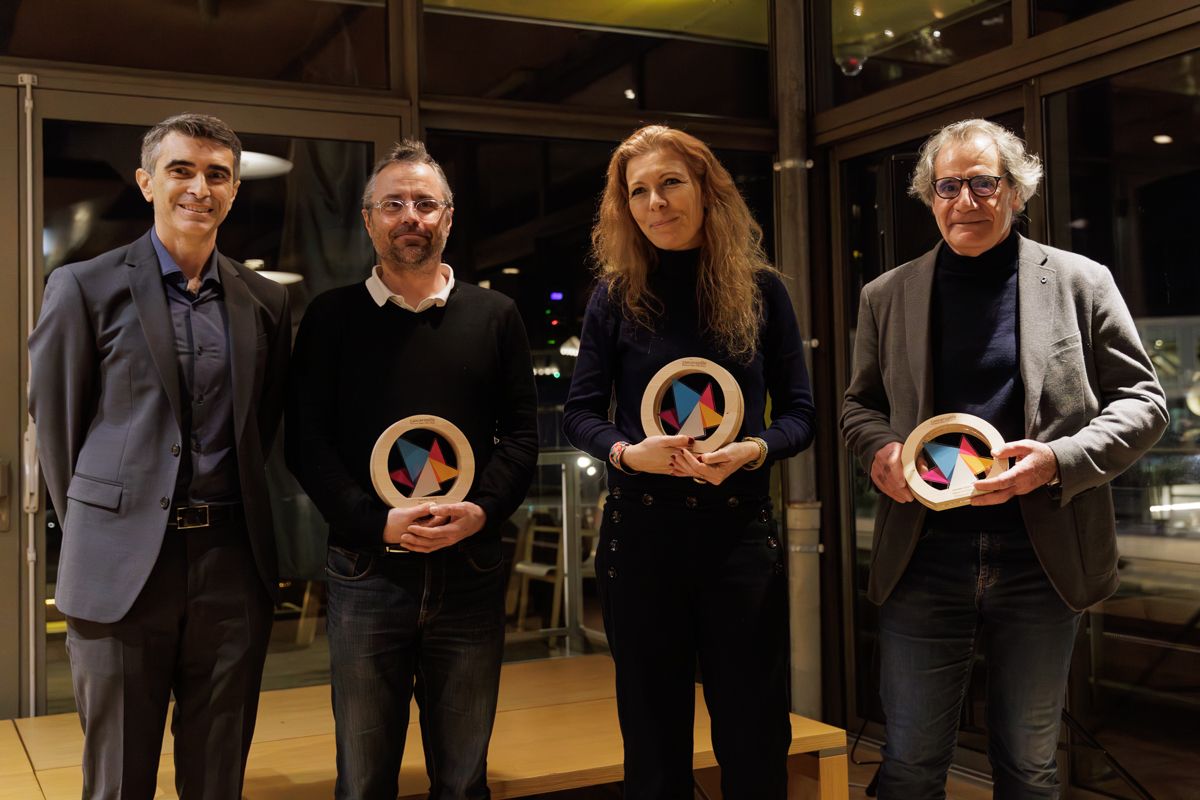
The project Microchip-based Functional Leukocyte Testing for Immunotherapy, led by Olivier Theodoly and Philippe Robert, has been selected as a 2025 Canceropôle Provence-Alpes-Côte d’Azur grant recipient.

The project is based on an innovative technology developed at the Laboratory of Adhesion & Inflammation (LAI) in Marseille and the Interdisciplinary Institute for Neurosciences (IINS) in Bordeaux, patented in collaboration with CNRS Innovation. Using molecular microprinting, this approach enables the fabrication of microchips with precisely controlled amounts and micrometer-scale patterns of multiple antibodies.

The goal is to make these microchips suitable for routine hospital use, providing a more accessible alternative to conventional techniques, which are often costly and time-consuming for hospital technicians. By developing these new tools, this project contributes to advancing rapid diagnostic solutions and personalized patient monitoring in immunotherapy.

The awardees were honored at a special event hosted by Canceropôle Provence-Alpes-Côte d’Azur on January 31, 2025, at the Musée Regards de Provence in Marseille.

Learn more: https://bit.ly/40ZFvZW

A new article on “Immune Cell Engager Cytotoxic Potency”

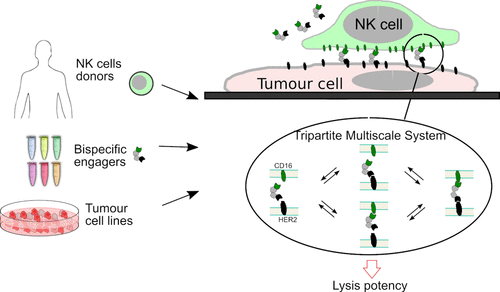
In recent years, immunotherapy has brought about a paradigm shift in the treatment of cancer, making it possible to stimulate and re-arm the immune system against the disease. One strategy already used against certain cancers involves injecting molecular engaging agents (e.g. bispecific monoclonal antibodies) capable of recruiting immune cells such as lymphocytes to directly attack the targeted tumour cells. These bispecific molecules act as a molecular bridge between activating receptors on immune cells and tumour antigens exposed by the target cells. Despite the potential of these new agents, the ability to predict their efficacy remains limited, as it depends on both the patient and the details of the agents molecular structure. Patrick Chames and his team (CRCM) have for several years been developing bispecific antibodies constructed from camelid monodomain antibodies, known as nanobodies.

the authors tested in-vitro a range of 6 original bispecific antibodies combining several nanobodies, and recruiting Natural Killer cells from 15 healthy donors to different target tumour cell lines. They systematically measured the quantity of target cells killed for varying concentrations of engaging molecules, taking into account biophysical parameters such as antibody affinity and receptor density. These data showed that it was possible to largely decouple the role of donor cells from the molecular details of the engager to predict the effective engager dose. They also proposed a simple formula for quantitatively predicting this effective dose in vitro.

DOI: 10.1021/acsnano.4c08541

Original bispecific engager molecules are being tested to recruit immune cells from healthy donors to kill tumour cells. Donor and molecule parameters are decoupled and the multi-scale model predicts the optimal dose required to kill in vitro (Credit: L. Limozin).

TPR2 INSERM Meeting

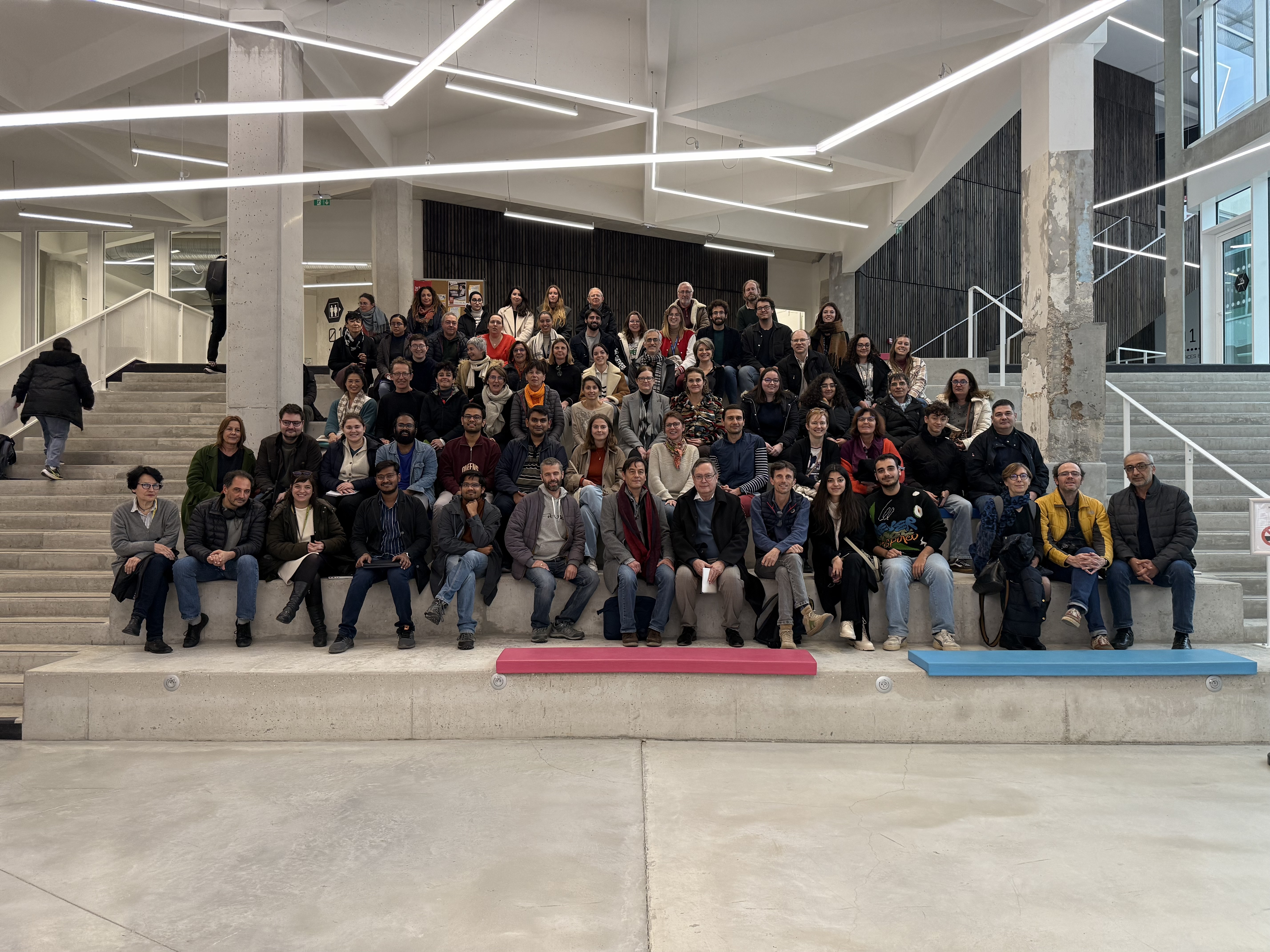
On January 10, 2025, a half-day “TPR2 Inserm Meeting” at Hexagone, was held to bring together the four single-teams and shared services housed in TPR2 building.
This convivial event gave the building’s staff the opportunity to meet each other and consider new opportunities for collaborations.
The event ended with a traditional “Galette des rois”.

A new article on “Should Artificial Intelligence Play a Durable Role in Biomedical Research and Practice?”

We are pleased to announce the publication of a review authored by Pierre Bongrand in the International Journal of Molecular Sciences. This review examines the growing integration of artificial intelligence into everyday biomedical research and practice, questioning whether this represents a true scientific revolution or a temporary hubris of its potential.

The paper explores:

  • Insights based on a review of past scientific progress, with an emphasis on immunology, it is concluded that current “omic” data contain useful information that is not adequately interpreted by currently available theoretical processing methods.
  • A brief description of currently available artificial intelligence tools is presented, with a discussion of expected potential and pitfalls.
  • Applications of AI in the biomedical field, are described with an emphasis on the biomedical domain.

It is concluded that it is already warranted to apply artificial intelligence to routine biomedical practice, but it is essential to develop validation procedures.

https://doi.org/10.3390/ijms252413371.

International Symposium on Cellular Mechanotransduction and Biomimetic Technologies

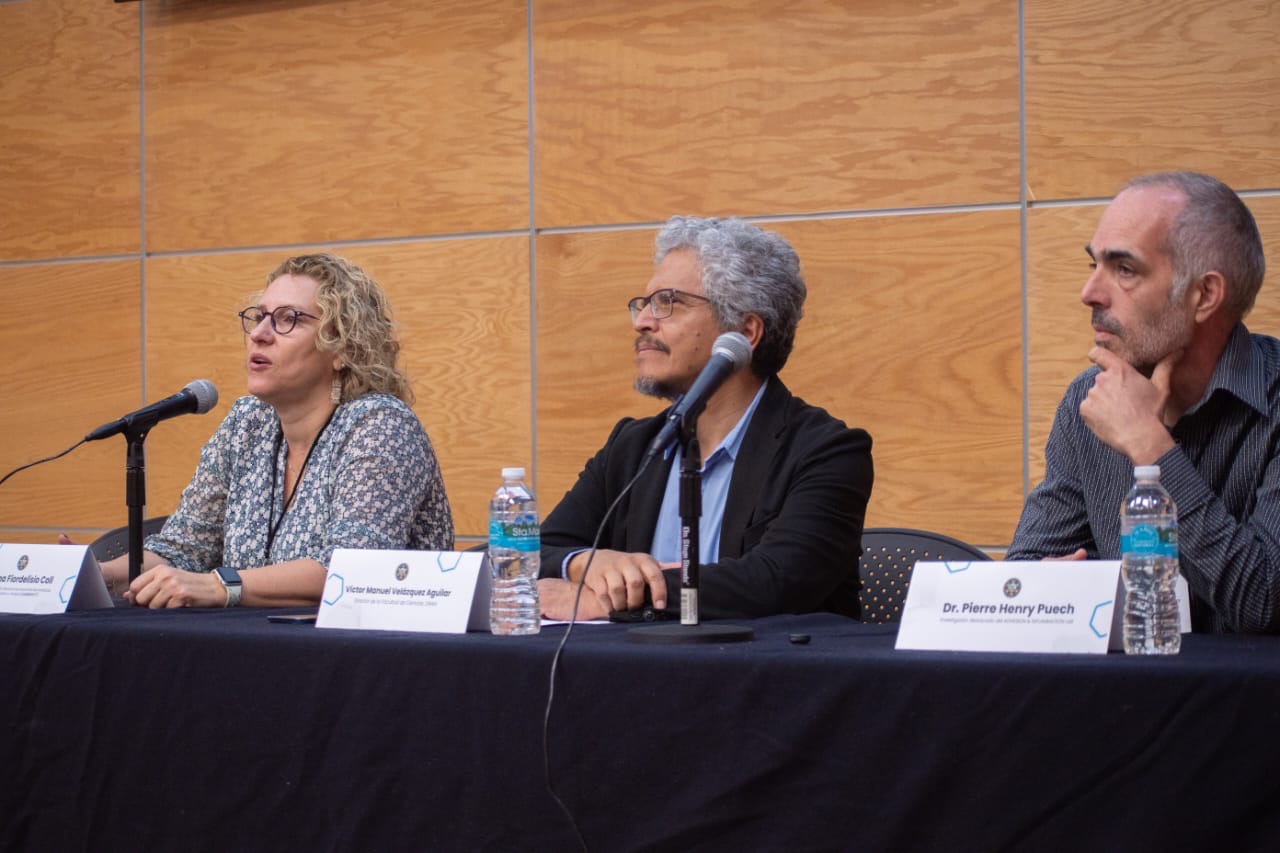
Tatiana Fiodelisio-Coll (Lansbiodyt, UNAM, Mexico City) and Pierre-Henri Puech (LAI, Marseille) successfully organized the first International Symposium on Cellular Mechanotransduction and Biomimetic Technologies, held on November 19-22, at UNAM. This event was held in the frame of the BioPhysImmuno CNRS IRP, which they co-coordinate.

The symposium featured an impressive lineup of presentations from international experts, spanning the USA, France, the Netherlands, Canada, and Mexico, delivered both in-person and virtually. The event was dynamic and highly engaging, with local students showing great enthusiasm during the Q&A sessions.

Representing LAI, Laurent Limozin and Pierre-Henri Puech presented their pioneering work on immune cell biophysics and mechanotransduction. Additionally, Julien Husson (LaDHyX, Palaiseau) introduced the work of Jana El Husseiny (LAI), highlighting the collaborative nature of this research. The entire symposium was live-streamed on YouTube and recorded for wider accessibility. You can view the sessions here: https://www.youtube.com/live/LwuhOQTNRUU

The French delegation also met with the French Embassy’s scientific delegate to discuss new strategies for strengthening France-Mexico scientific collaboration.

International Congress of Cell Biology in Cancun, Mexico

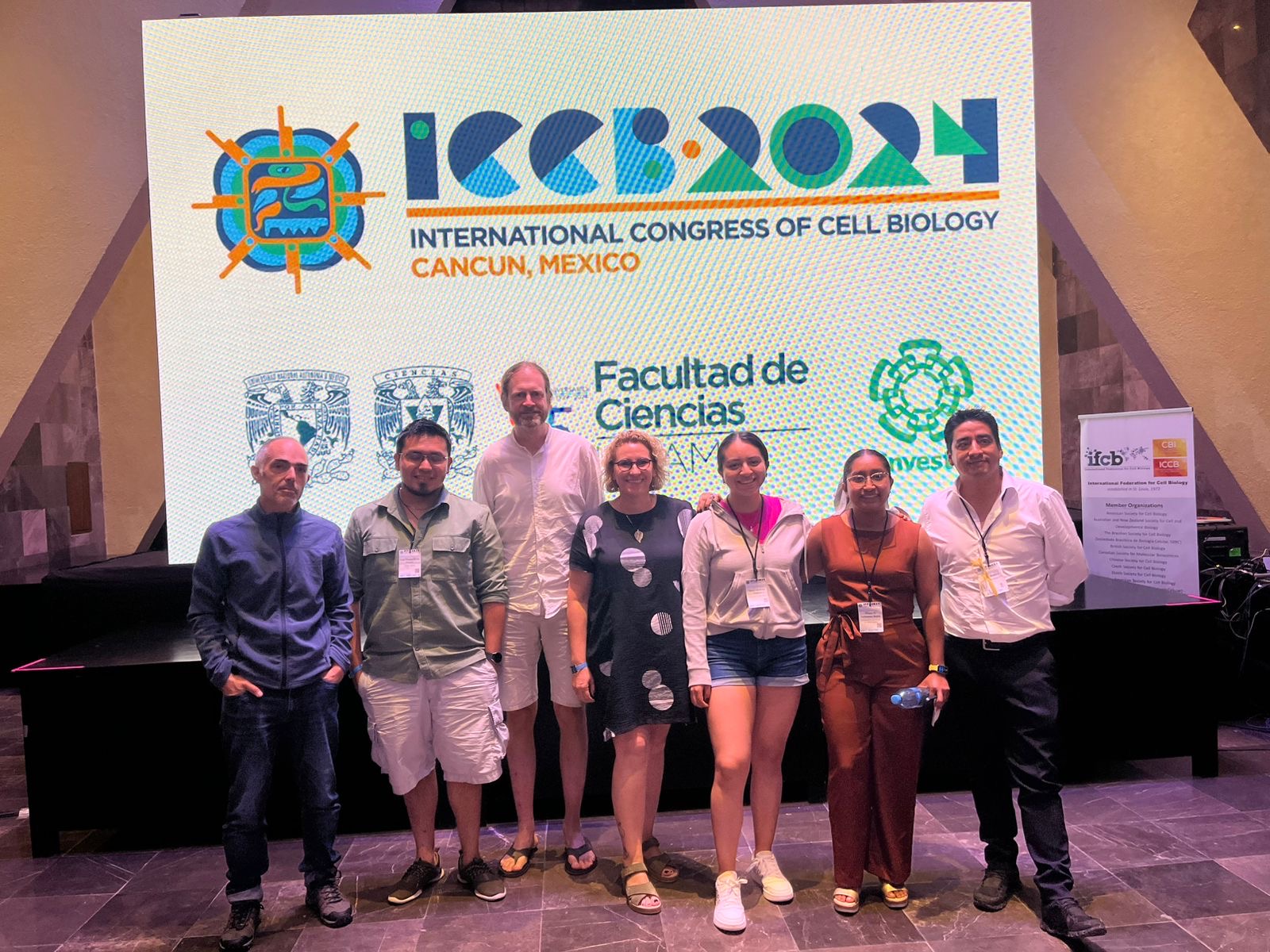
Laurent Limozin and Pierre-Henri Puech were invited to present their work on the biophysics of immune cells at the International Congress of Cell Biology, in Cancun, Mexico. Representing both the Lab Adhesion and Inflammation (LAI) and the French Cell Biology Society (SBCF), they shared insights into their latest research and engaged in lively discussions with colleagues from Mexico and beyond.

Welcome back Andrzej & Natalia!

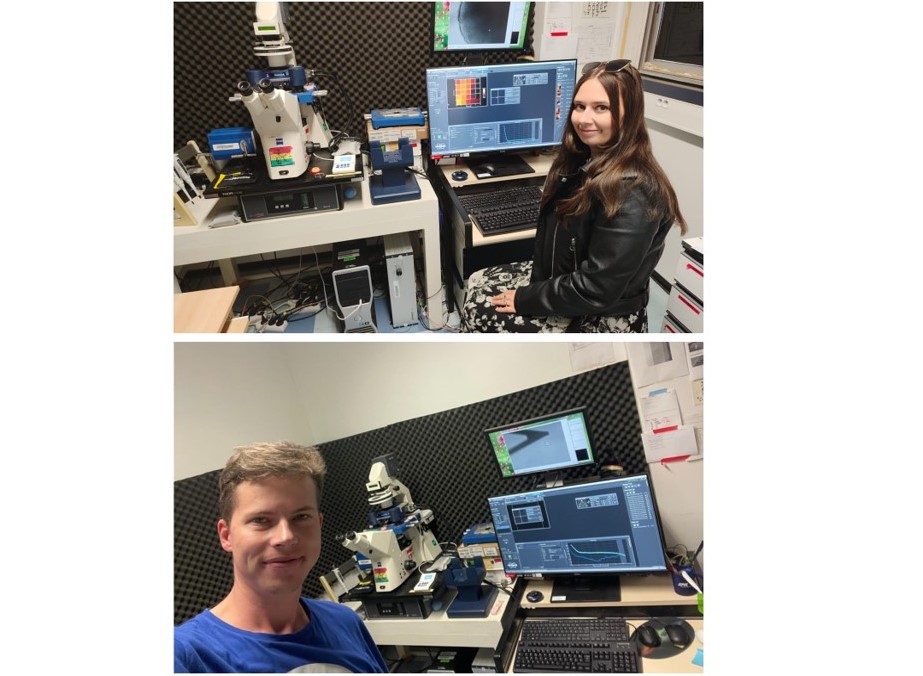
We are pleased to have hosted Andrzej Kubiak and Natalia Bryniarska-Kubiak, a visiting post-doc from Jagiellonian University, Krakow, Poland. They have been in the lab for the past two months continuing their collaboration with Pierre-Henri Puech.

Natalia investigated mechanical interactions between stem cells and their microenvironment. She used traction force microscopy on soft PAA hydrogels and atomic force microscopy for the characterization of cell mechanics.

Andrzej’s research, titled “The role of mechanical interactions in the chondrogenic differentiation of stromal cells,” investigated the mechanobiology of chondrogenic differentiation of bone marrow stromal cells-derived spheroids combining AFM and TFM.

We wish them continued success in their future endeavors!

LAI Participates in Fête de la Science 2024!

We are excited to share that our lab took part in Fête de la Science on October 13th, 2024. This fantastic festival, celebrated across France, is dedicated to bringing science closer to the public, sparking curiosity, and inspiring everyone in the event.

LAI hosted a range of interactive stands covering diverse scientific disciplines, from biology to physics. It was a day full of learning, experimentation, and inspiration, where participants of all ages had the chance to dive into the fascinating world of science. We were thrilled to see so many curious minds visit our stands and actively engage with the experiments we prepared!

Thank you to everyone who joined us in celebrating the wonders of science!

Celebrating Our Lab’s 30 Years Anniversary!

This October, our lab marked a major milestone with a two-day symposium at the Hexagon Auditorium in Luminy. The event brought together distinguished speakers, alumni, collaborators, and the scientific community to reflect on 30 years of innovation and progress. Attendees enjoyed insightful presentations covering our lab’s research areas and celebrated the collaborative spirit driving our work forward.

A heartfelt thank you to everyone who joined us in commemorating this journey of scientific discovery! For more information and details about the event, please visit our page: https://labadhesioninflammation.org/30years/.