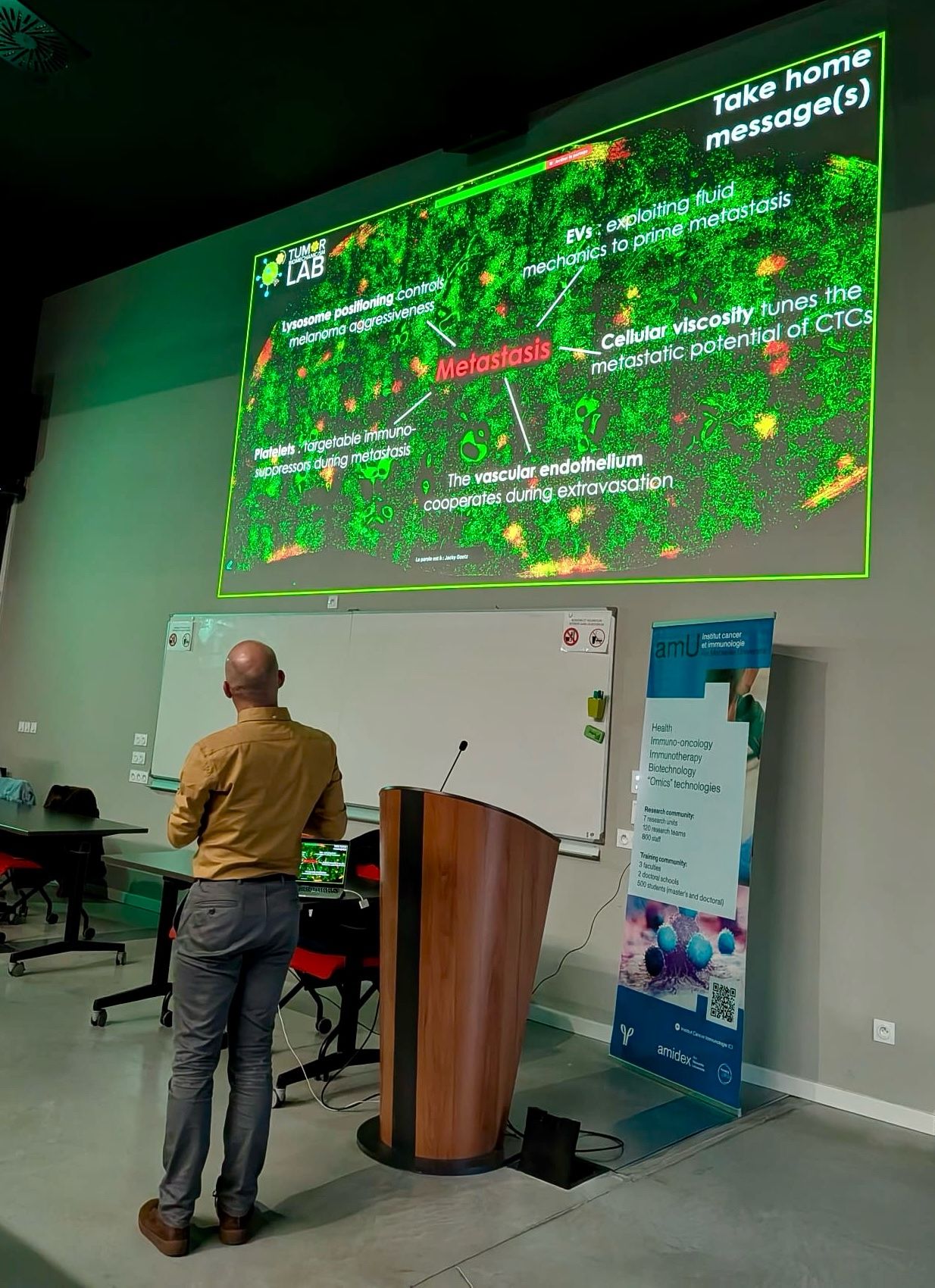
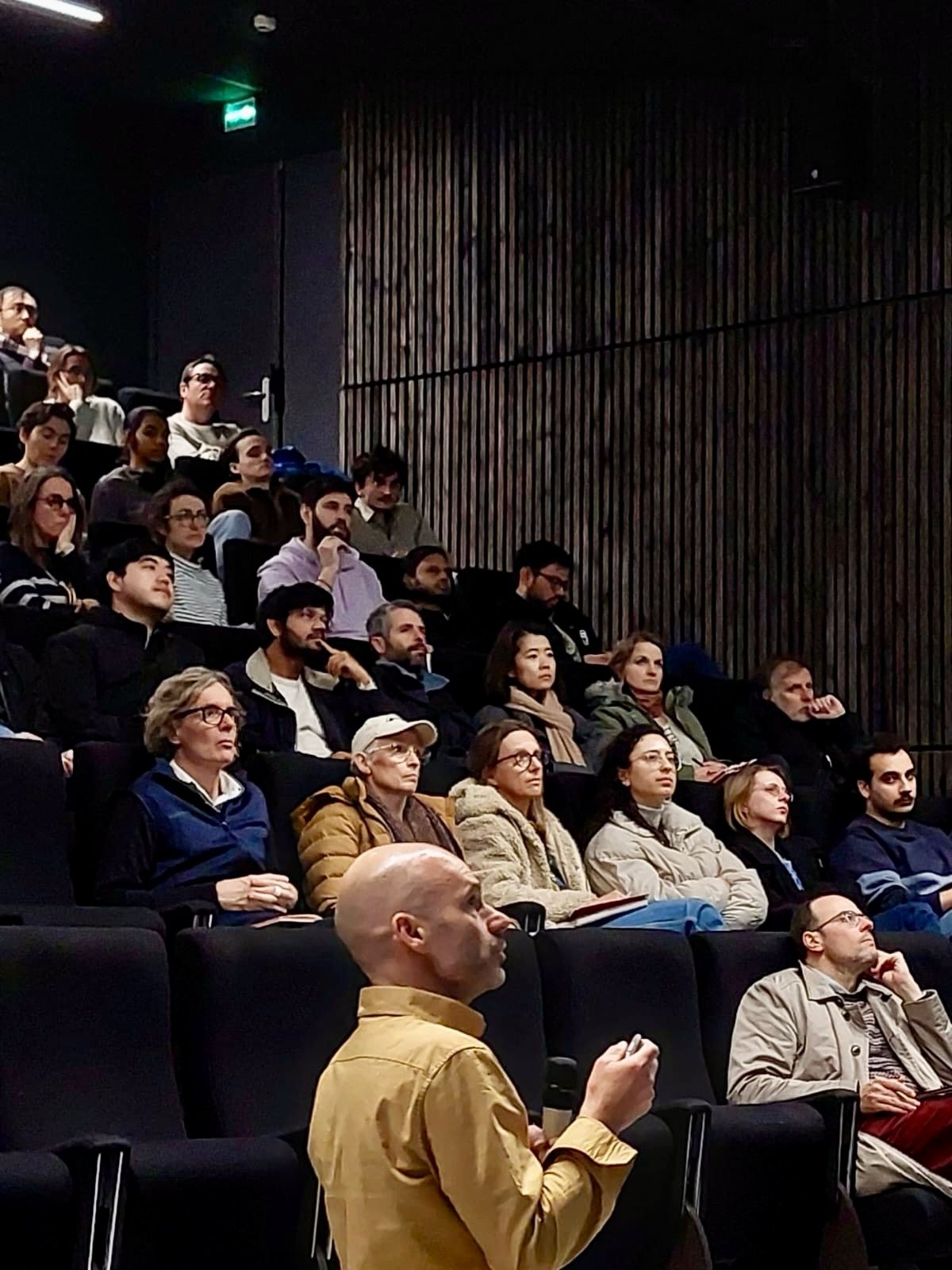
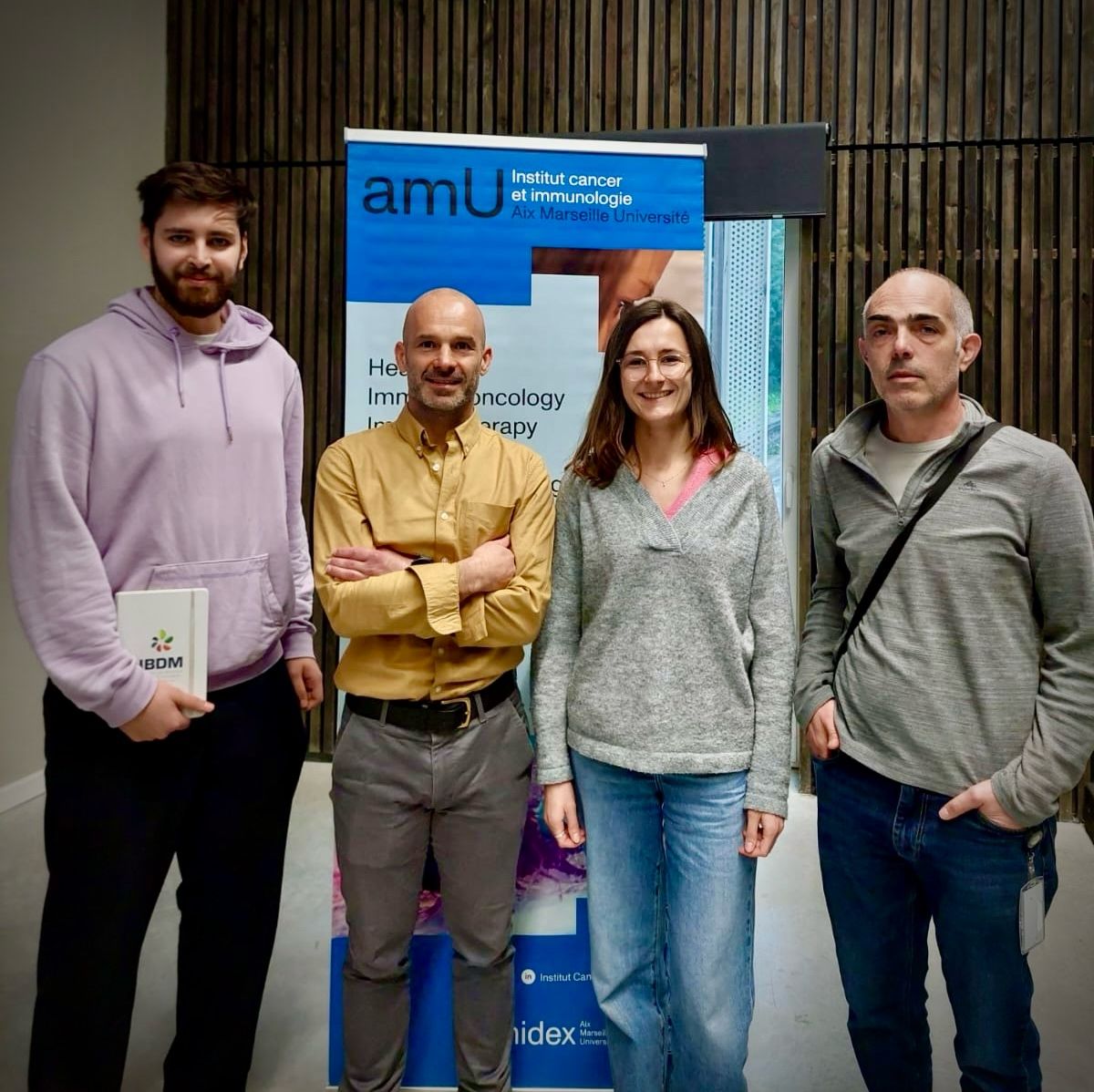
The Institut Cancer & Immunologie hosted a Keynote Seminar by Jacky Goetz from the Tumor Biomechanics Lab at CRBS in Strasbourg in January 2026, entitled “Mechanics tune & shape metastasis”.
The event included a tutored seminar held online on January 26, co-animated by Pierre-Henri Puech, followed by the Keynote lecture on January 27 at the Hexagone on the Luminy campus and via Zoom.
This seminar brought together researchers and students for insightful discussions on the mechanical regulation of tumor metastasis. We warmly thank Jacky Goetz for his inspiring talk and stimulating discussions.
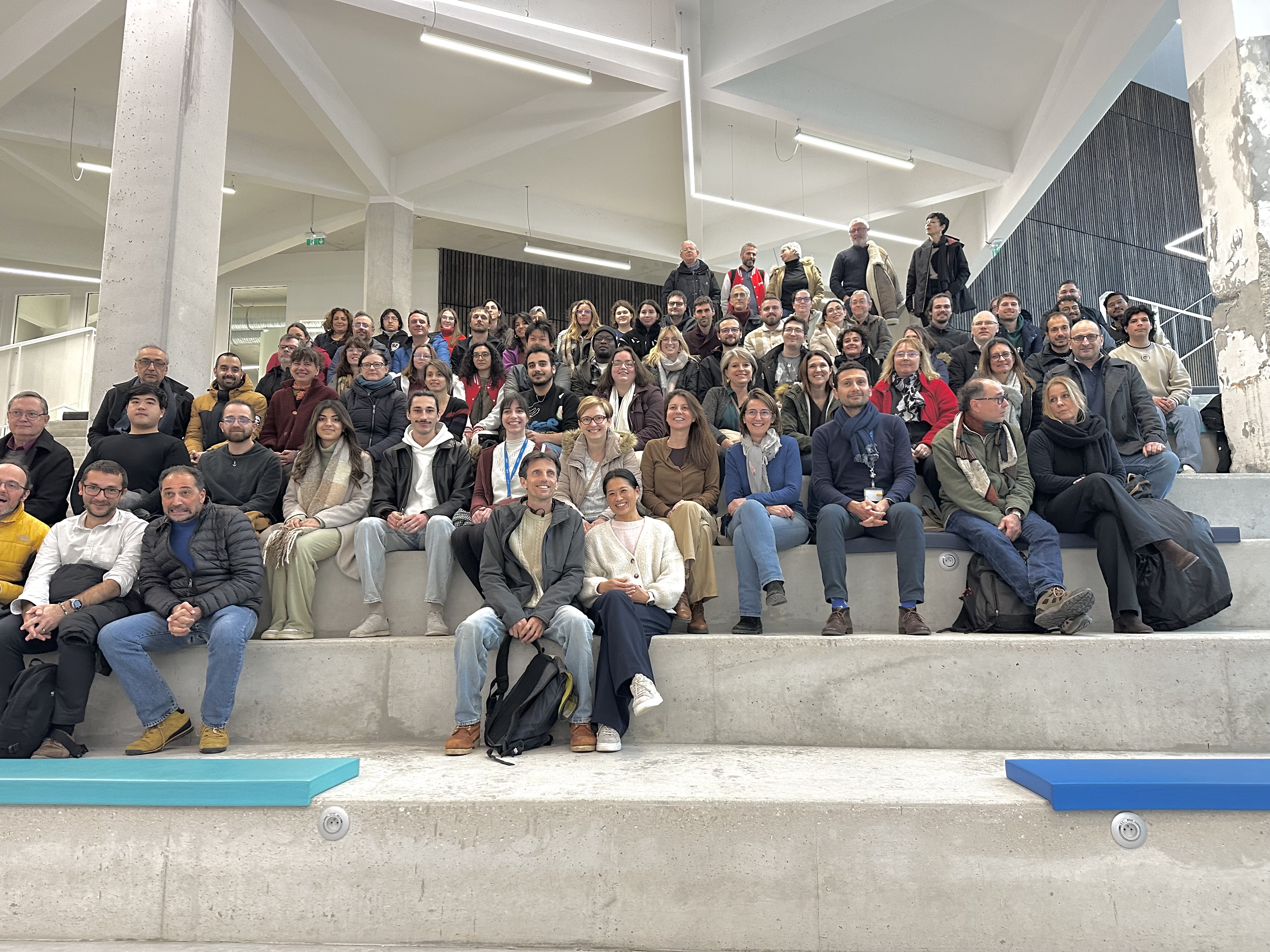
Building on the success of last year’s initiative, the TPR2 Inserm Meeting was held again on January 9, 2026, at the Hexagone building. This half-day event brought together the four research teams and shared services hosted within the TPR2 facility.
The meeting aimed to strengthen interactions within the building and promote scientific exchange across teams. A member from each research team delivered a presentation highlighting ongoing research projects, recent advances, and future perspectives. These presentations stimulated engaging discussions and opened new avenues for collaboration.
The event concluded with the now traditional Galette des rois, offering a convivial moment to continue exchanges and reinforce the sense of community within TPR2.
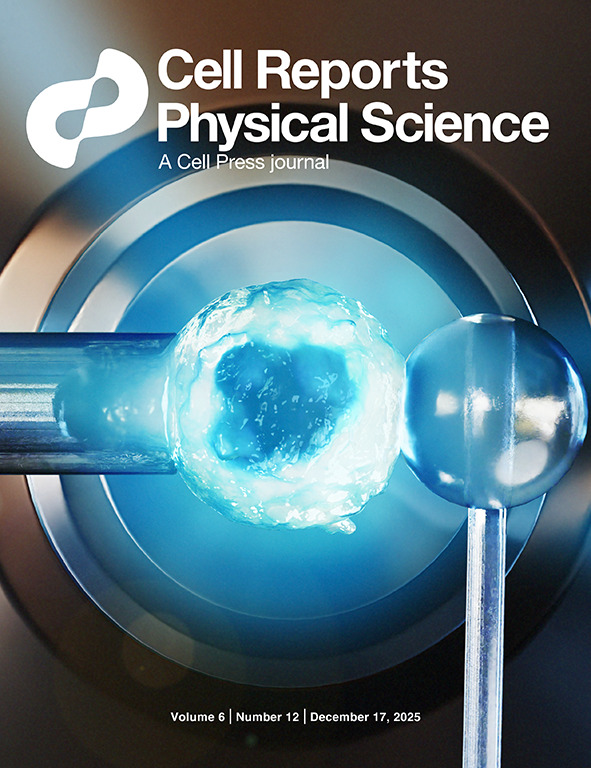
We are pleased to announce the publication of a new research article entitled “Stiffening cells with light”, resulting from a collaboration with Julien Husson at École Polytechnique.
Summary: Fluorescence microscopy is commonly used to observe living cells and organisms, but it can induce phototoxicity, which may lead to erroneous interpretations. The primary cause of phototoxic cell damage is the production of reactive oxygen species (ROS), which can crosslink intracellular proteins and nucleic acids. Using profile microindentation and atomic force microscopy, we demonstrate that excitation of various fluorescent probes causes a rapid dose-dependent increase in cell stiffness across multiple cell types. This photostiffening effect explains why T cells loaded with the Fluo-4 calcium probe stop protruding within seconds after light excitation. We show that upon fluorophore excitation, ROS production is correlated with increased stiffness, and we reproduce the effect by incubating cells with H2O2 or the photosensitizer pheophorbide a. This study underscores the importance of controls and proposes photostiffening as a method for quantifying phototoxicity.
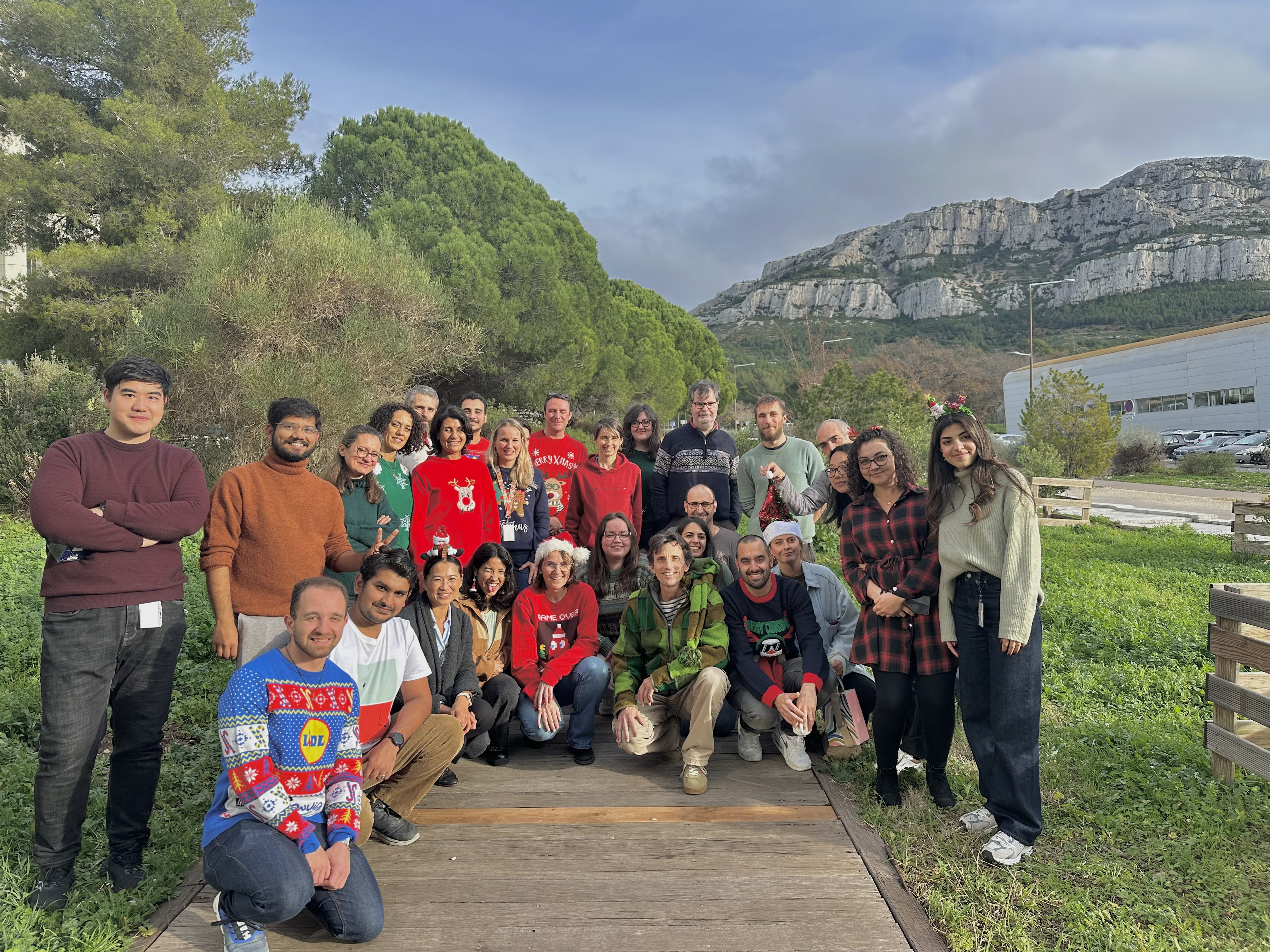
To celebrate the end of the year, the LAI team came together for a festive Christmas lunch. We enjoyed a relaxed and cheerful moment together, sharing homemade food, playing games, and exchanging Secret Santa gifts. It was a lovely opportunity to strengthen team spirit, welcome new members, reconnect with alumni, and end the year on a positive note while looking ahead to the coming year.
Coccidian parasites can rely on their mechanical properties to infect their hosts. Here, we detail a microindentation-based technique for quantifying the wall mechanics of coccidian oocysts. We describe steps for micropipette fabrication, calibration of flexible microindenters, system assembly, and quantifying indentation and rupture forces. We then present procedures for automated data analysis using open-source software and programming languages. The protocol enables measurement of wall rupture forces and is applicable to study the integrity of parasites under various physiological conditions.
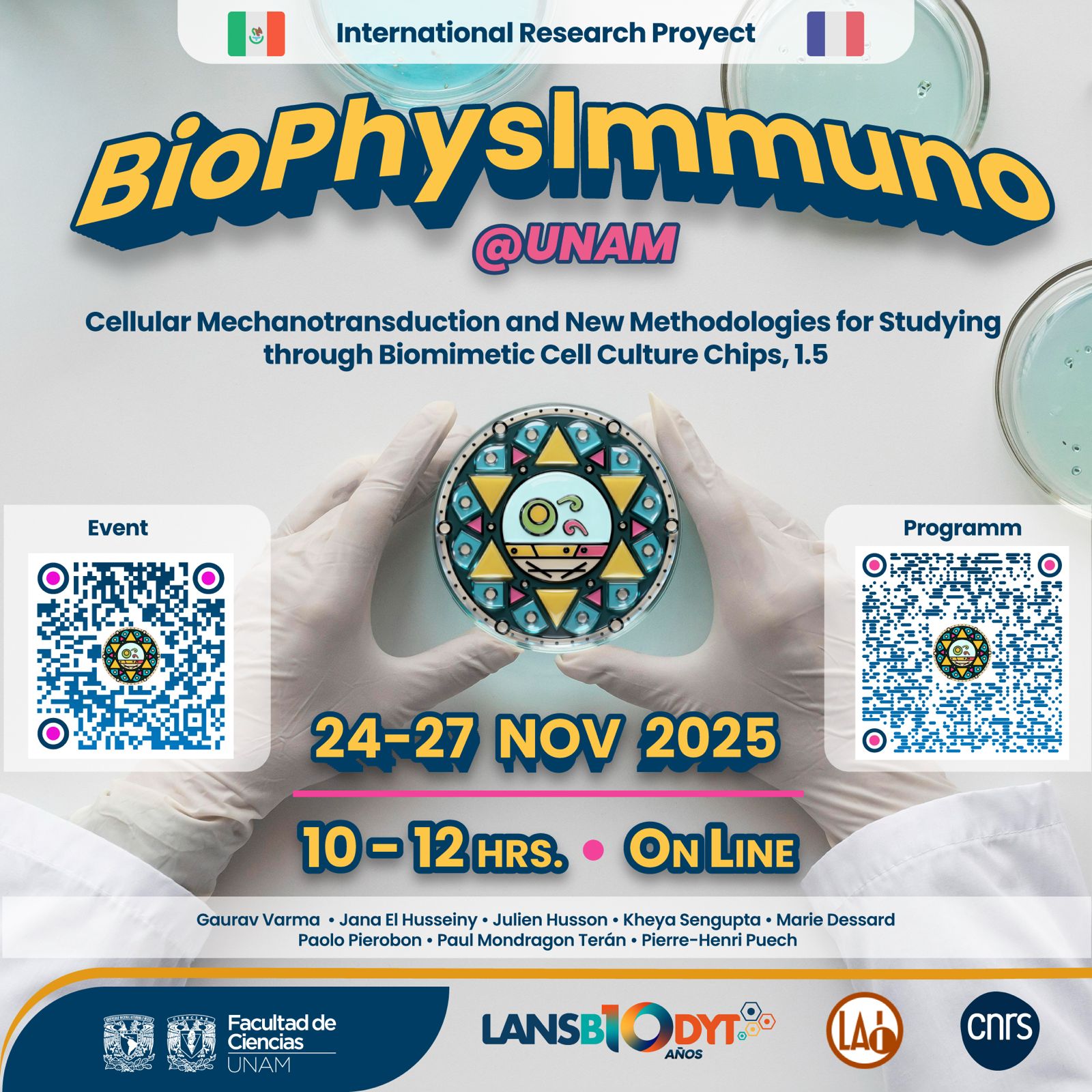
From 24 to 27 November 2025, members of LAI took part in the online scientific event BioPhysImmuno at UNAM, organized within the framework of the International Research Project (IRP) BioPhysImmuno.
The event brought together students and researchers from UNAM (Universidad Nacional Autónoma de México) and IPN (Instituto Politécnico Nacional), focusing on cellular mechanotransduction and new methodologies for studying cells through biomimetic cell culture chips.
LAI was represented with the participation of Gaurav Varma, Jana El Husseiny, and Marie Dessard as speakers. In addition, Pierre-Henri Puech, present in Mexico as part of the organizing team, contributed to strengthening scientific and institutional links between France and Mexico.
A new commentary has been published in the EMBO journal called “Unraveling T-cell decoding strategy : a step forward” by Philippe Robert & Pierre Bongrand.
This invited commentary provided us with an opportunity to summarize the present stage of a long-term quest for the unraveling of T lymphocyte decision-making after encountering a foreign antigen. This problem is of both practical and theoretical importance. Firstly, understanding cell behavior is a major challenge for cell biologists and this active research field involves “omic” approaches, biophysics, and theoretical modeling with or without artificial intelligence tools. Secondly, the growing importance of immunotherapy is dependent on the choice of target antigens used for immunization or Car-T-cells generation.
A number of reports published three decades ago strongly supported the view that T cell decision could be predicted by conventional descriptors of the interaction between T cell receptors and antigen ligands, such as affinity constants or kinetic rates measured on soluble ligands and recepors. However, despite a general agreement with experience, some discrepancies remained.
During the following years, studies performed at the single molecule level by a number of biophysically oriented teams, including LAI investigators, clearly demonstrated that aforementioned descriptors did not satisfactorily account for the interactions between membrane-bound molecules, due to the influence of mechanical forces, intervening molecules, and limitation of molecular motions. A number of experimental reports suggested that aforementioned discrepancies could be due to mechanical effects.
In the current issue of the Embo Journal, a report suggests that these discrepancies between T cell activation and measured affinity constant were in fact due to a faulty affinity determination. The authors conclude that the conventional affinity constant may be the best predictor of T cell decision.
We suggested in our commentary that this important result was not in contradiction with the current view that the detailed mechanisms of T cell activation are dependent on the fine properties of ligand binding and that further studies are needed to build an exhaustive model of the activation process.
Figure 1. Difficulty of comparing 2D and 3D molecule association.
(A) Conventional 3D molecular binding. Molecular encounters are well-described by standard diffusion equations. Molecular translation and rotation are weakly dependent on molecular size and shape. Bond rupture is driven by thermal fluctuations. The association rate (kon), dissociation rate (koff), and affinity constant (Ka) are thus determined by molecular structure and generic mechanisms, they may thus be considered as intrinsic properties of interacting molecules A and B. (B) 2D association. When ligand and receptor molecules are bound to surfaces, the frequency of encounters is strongly dependent on the distance d beteween surfaces, surface roughness, flexibility of the anchors of binding sites that drive molecular contact frequency and relative molecule orientation, lateral diffusion of anchored molecules, and possible role of bulk repeller molecules (r) on surfaces. (C) 2D dissociation. Bond rupture is strongly dependent on the intensity and time-dependence of forces exerted on the bonds. When a bond is broken, the dynamics of anchoring surfaces may influence rebinding.
Coccidian parasite can withstand a wide range of chemical and physical factors, contributing to their food- and water-borne transmission to humans worldwide. Eimeria acervulina has been proposed as a non-human pathogenic alternative of Toxoplasma gondii to assess food and water decontamination, however it is not known whether the two parasites exposed to chemical and thermal treatments parallel in terms of oocyst structure and infectivity. Using bioassays and lectin-based assays combined with flow cytometry and fluorescence microscopy analyses, this study shows that E. acervulina and T. gondii oocysts display similar response to heating and/or freezing and bleach or NaOH treatments, as in maintaining infectivity, with E. acervulina oocysts retaining their size and structure better than T. gondii. Collectively, these results suggest that E. acervulina is a reliable model for studying the response of T. gondii oocysts to certain chemical and physical agents.
It was a pleasure for Marie Dessard and Jana El Husseiny to attend the 11th edition of the Thematic School MiFoBio 2025 – Functional Microscopy for Biology, organized by GdR ImaBio.
During the event, Jana El Husseiny presented her PhD project as part of the mini-symposium “Imaging and Physical Measurements, Mechanobiology”, while Marie Dessard presented her work during the poster session, and co-animated a workshop with her co-supervisor at CIML.
The school took place in Seignosse, from October 10 to 17, 2025, and brought together a vibrant community of researchers and industry experts. This edition featured:
330 participants
14 homemade setups
1 culture room and aquarium
30 industrial microscopy systems
40 industrial partners
12 round tables
1 Scientibus
8 international seminars with 31 lectures
100 hands-on workshops
This intensive and collaborative event fostered discussions and training around the latest advances in functional microscopy and its applications in biology.
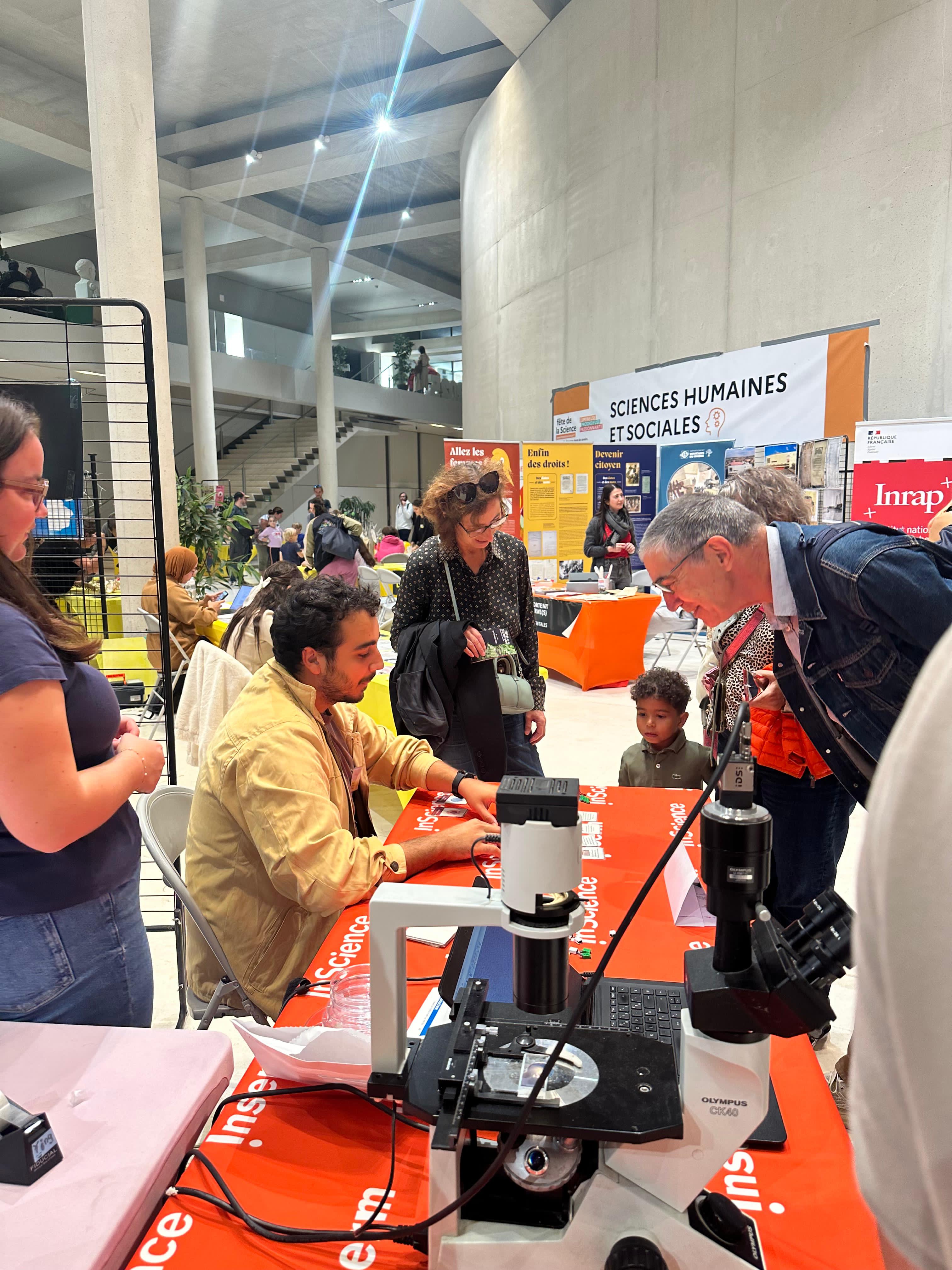
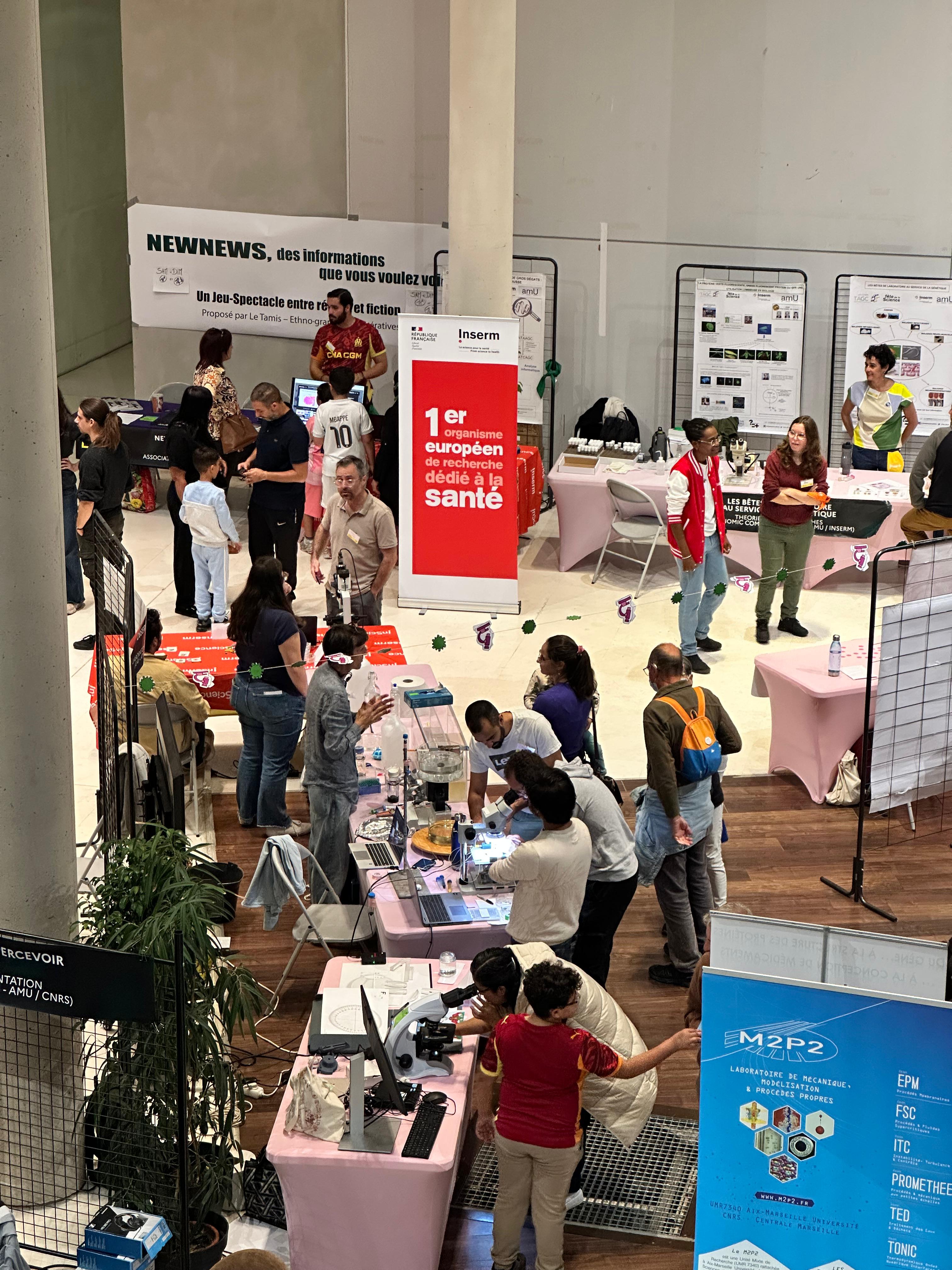
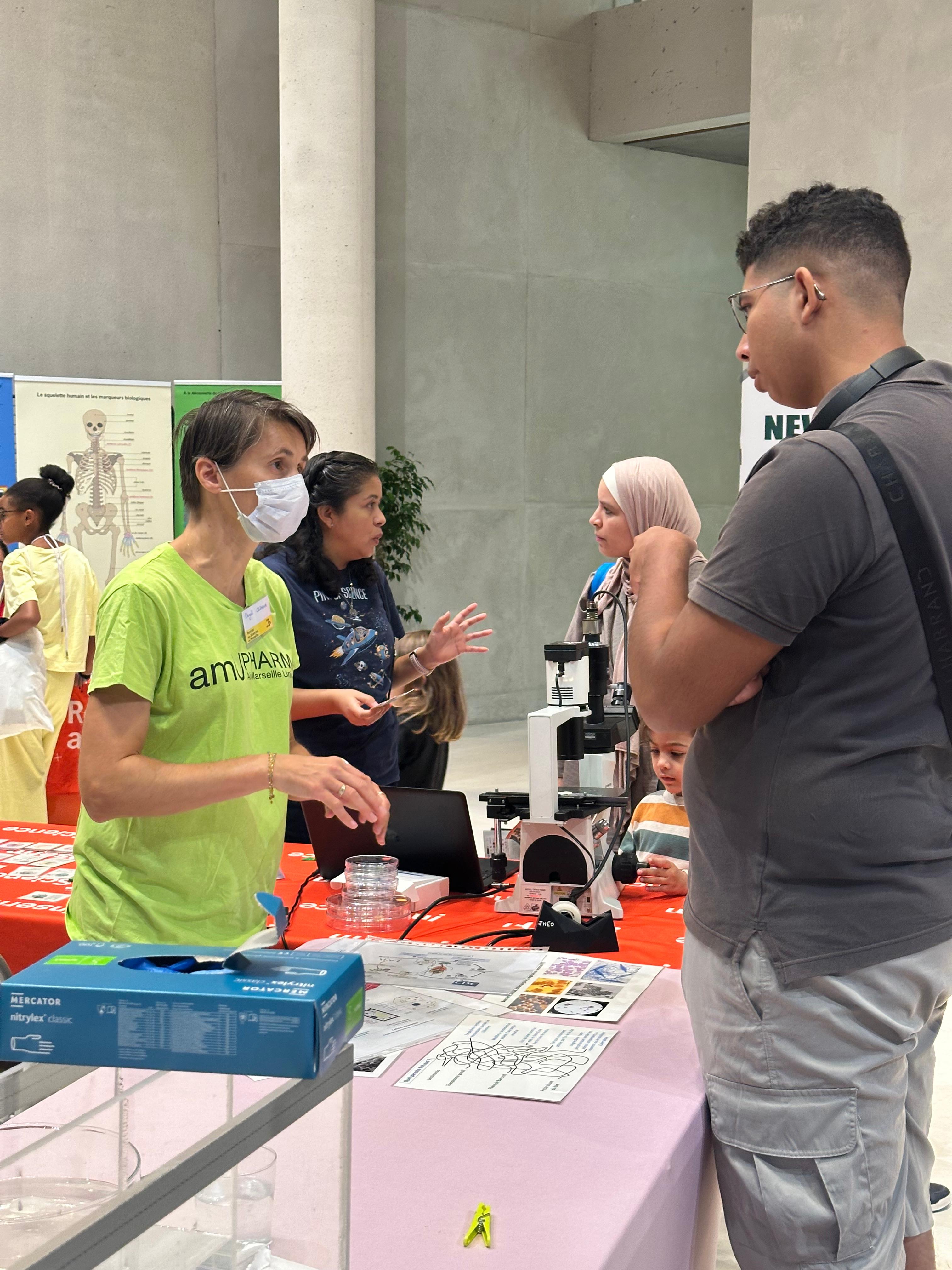
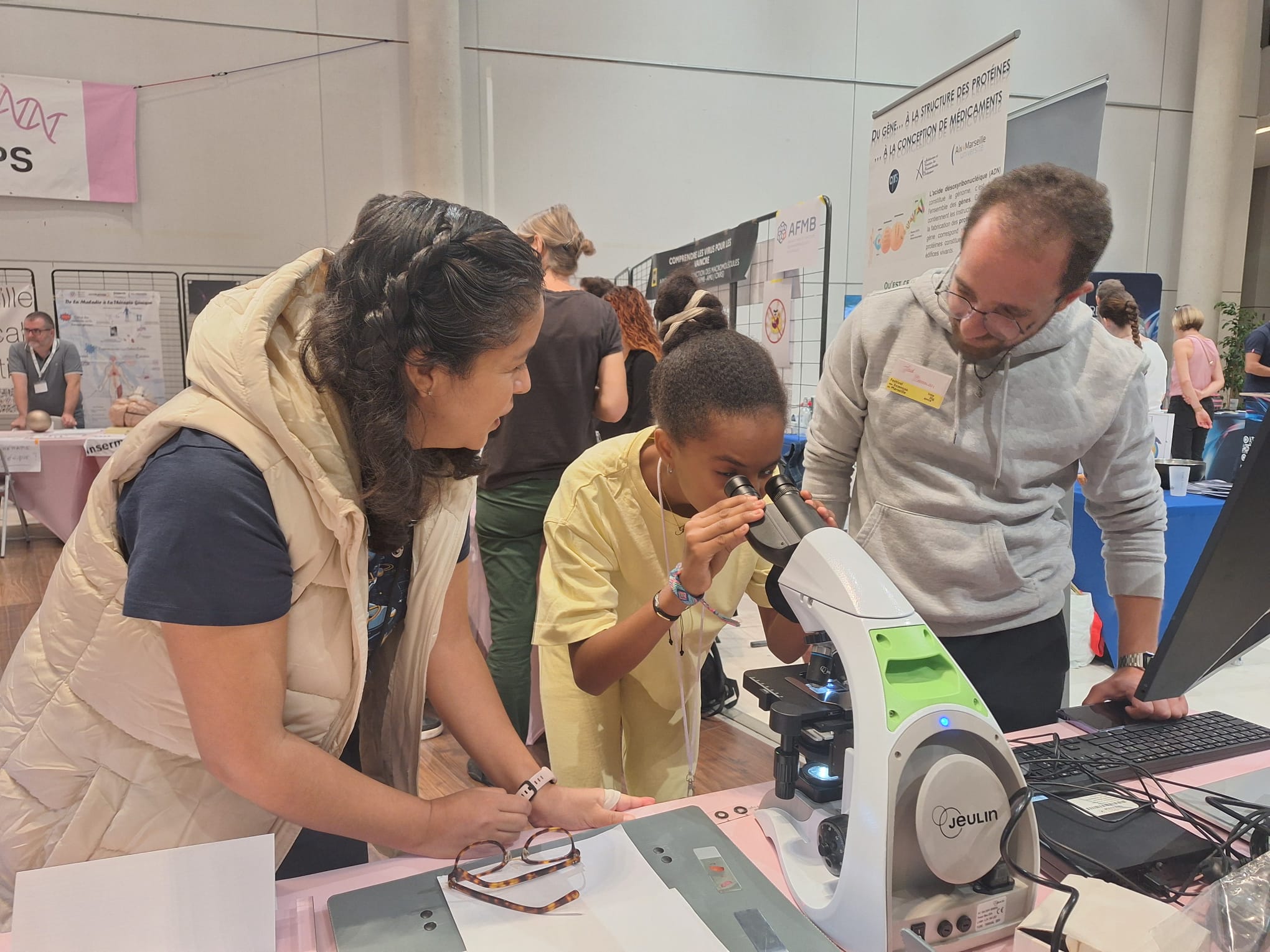
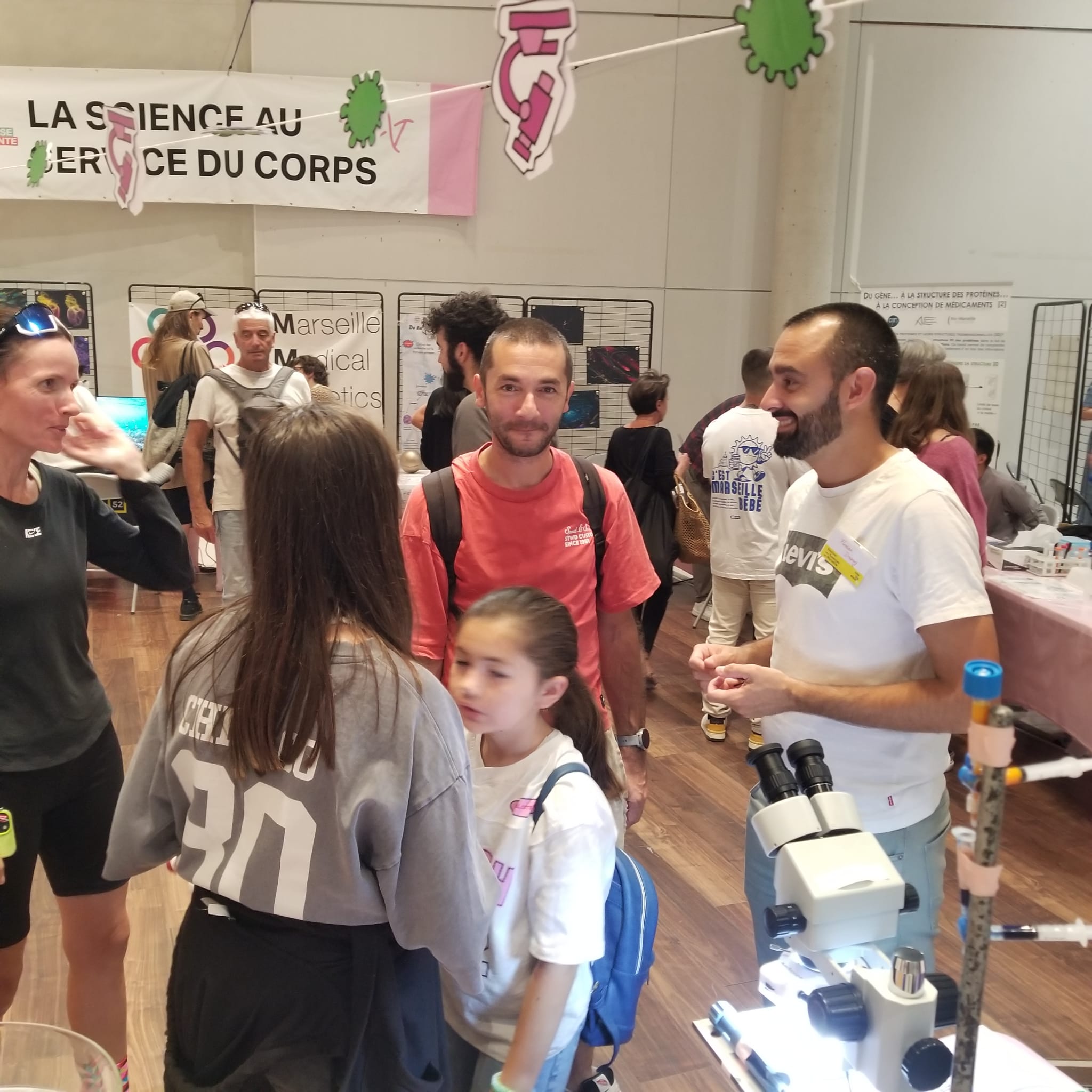
We have the pleasure to share that our lab took part for the second time in “Fête de la Science” on October 12th, 2025. This fantastic festival, celebrated across France, is dedicated to bringing science closer to the public, sparking curiosity, and inspiring everyone in the event.
LAI hosted a range of interactive stands covering diverse scientific disciplines, from biology to physics (card game on immunity / Microscopy / Microfluidic and fluid dynamics) . It was a day full of learning, experimentation, and inspiration, where participants of all ages had the chance to dive into the fascinating world of science. We were thrilled to see so many curious minds visit our stands and actively engage with the experiments we prepared!
Thank you to everyone who joined us in celebrating the wonders of science !












 Adhesion & Inflammation Lab
You must be logged in to post a comment.