Journées de la Matière Condensée Conference Participation

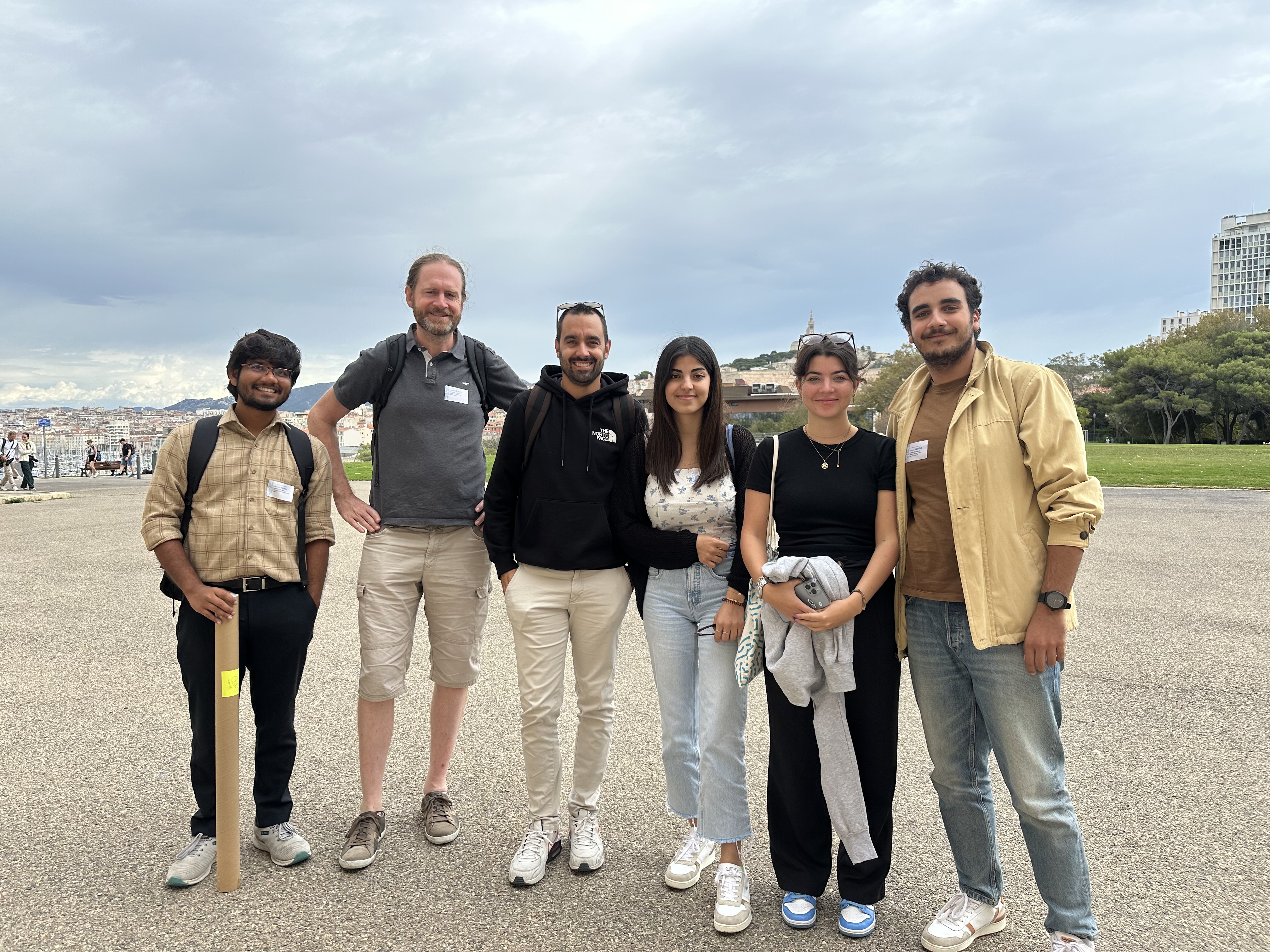
We are excited to share that Chandrasekar Subramani Narayana represented our lab at the Journées de la Matière Condensée (JMC), held from October 28th to 31st, 2024, in Marseille, France. Chandrasekar presented his poster titled “Kinetic Analysis of Antibody-Antigen Binding with M13 Phage under TIRF Microscopy”, sparking valuable discussions and interest from attendees.

The conference provided a vibrant environment for scientific exchange and collaboration. We are delighted to have participated in this inspiring event and look forward to contributing to future editions.

Welcome back Andrzej & Natalia!

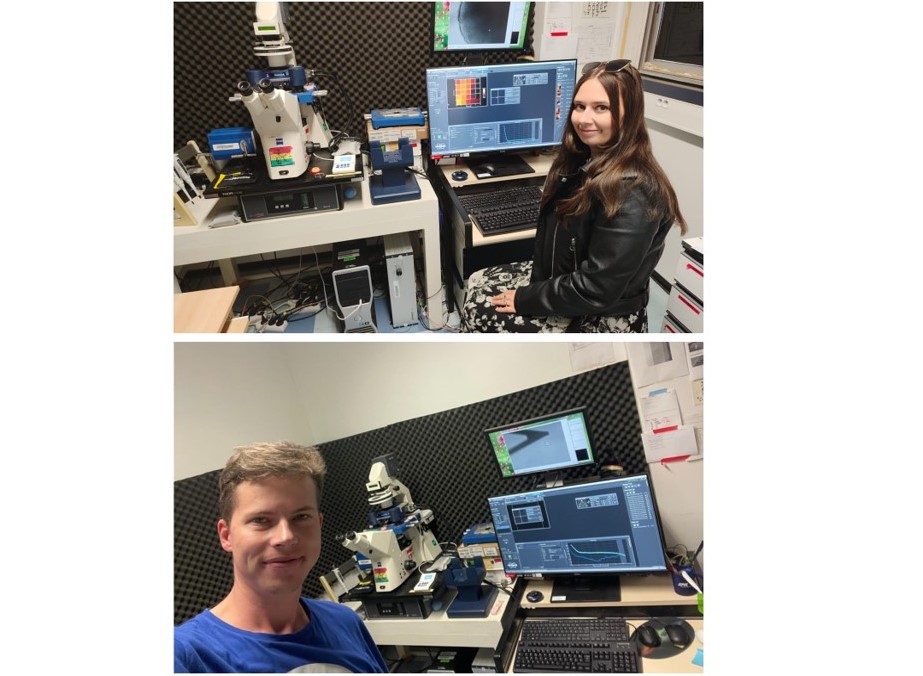
We are pleased to have hosted Andrzej Kubiak and Natalia Bryniarska-Kubiak, a visiting post-doc from Jagiellonian University, Krakow, Poland. They have been in the lab for the past two months continuing their collaboration with Pierre-Henri Puech.

Natalia investigated mechanical interactions between stem cells and their microenvironment. She used traction force microscopy on soft PAA hydrogels and atomic force microscopy for the characterization of cell mechanics.

Andrzej’s research, titled “The role of mechanical interactions in the chondrogenic differentiation of stromal cells,” investigated the mechanobiology of chondrogenic differentiation of bone marrow stromal cells-derived spheroids combining AFM and TFM.

We wish them continued success in their future endeavors!

LAI Participates in Fête de la Science 2024!

We are excited to share that our lab took part in Fête de la Science on October 13th, 2024. This fantastic festival, celebrated across France, is dedicated to bringing science closer to the public, sparking curiosity, and inspiring everyone in the event.

LAI hosted a range of interactive stands covering diverse scientific disciplines, from biology to physics. It was a day full of learning, experimentation, and inspiration, where participants of all ages had the chance to dive into the fascinating world of science. We were thrilled to see so many curious minds visit our stands and actively engage with the experiments we prepared!

Thank you to everyone who joined us in celebrating the wonders of science!

Celebrating Our Lab’s 30 Years Anniversary!

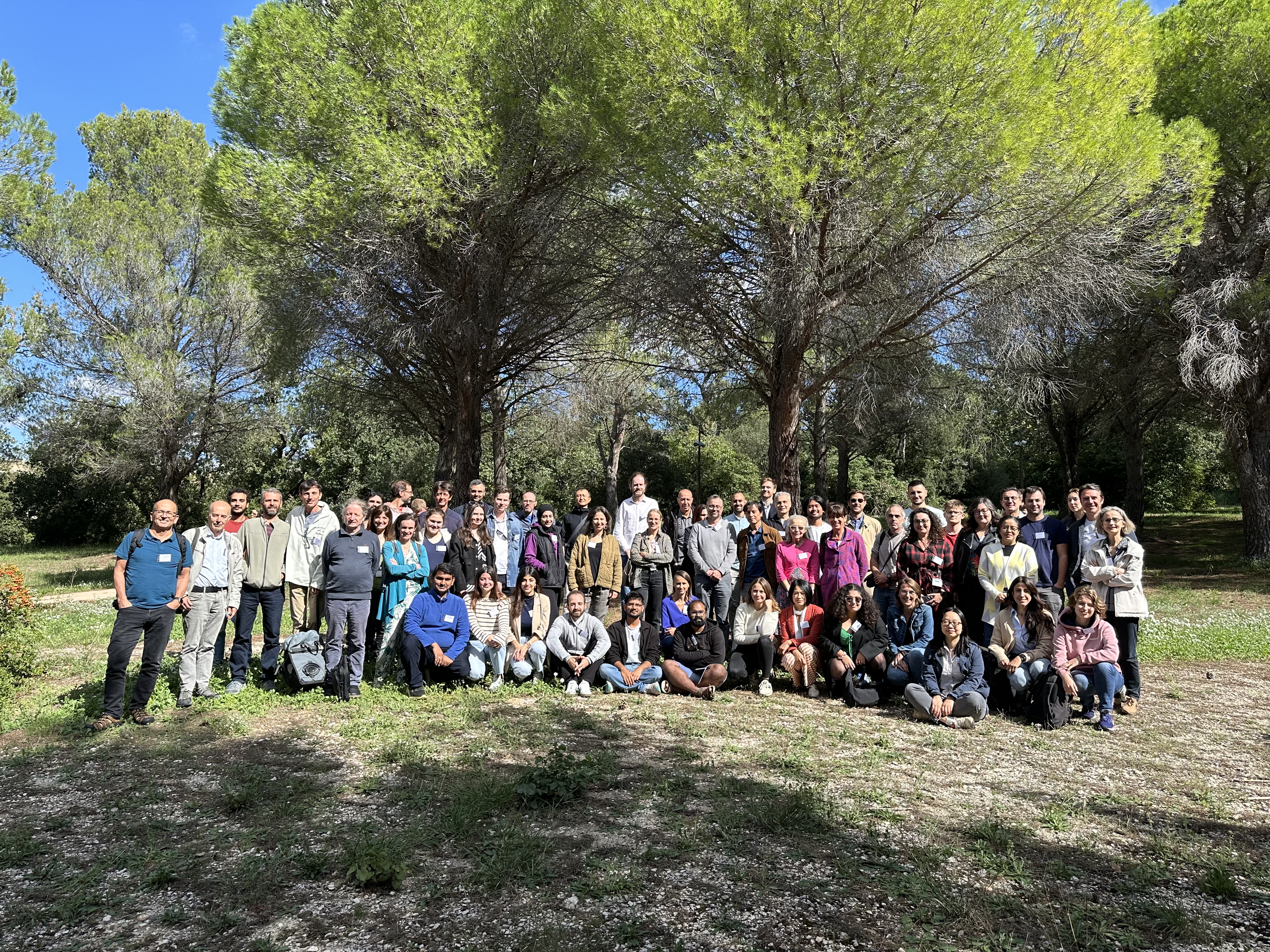
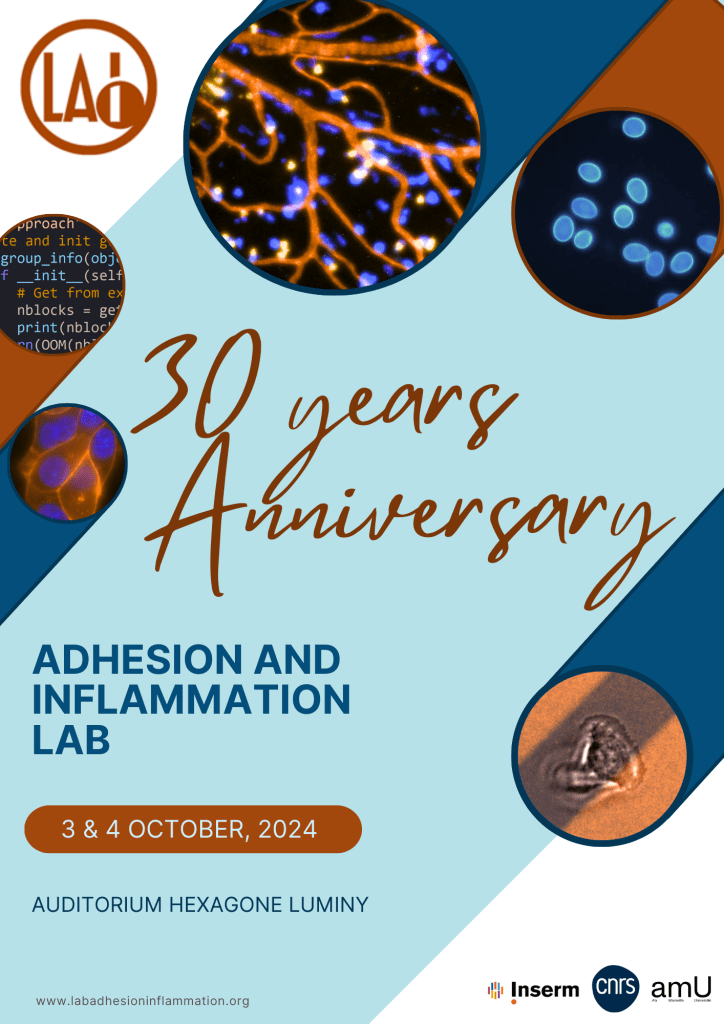
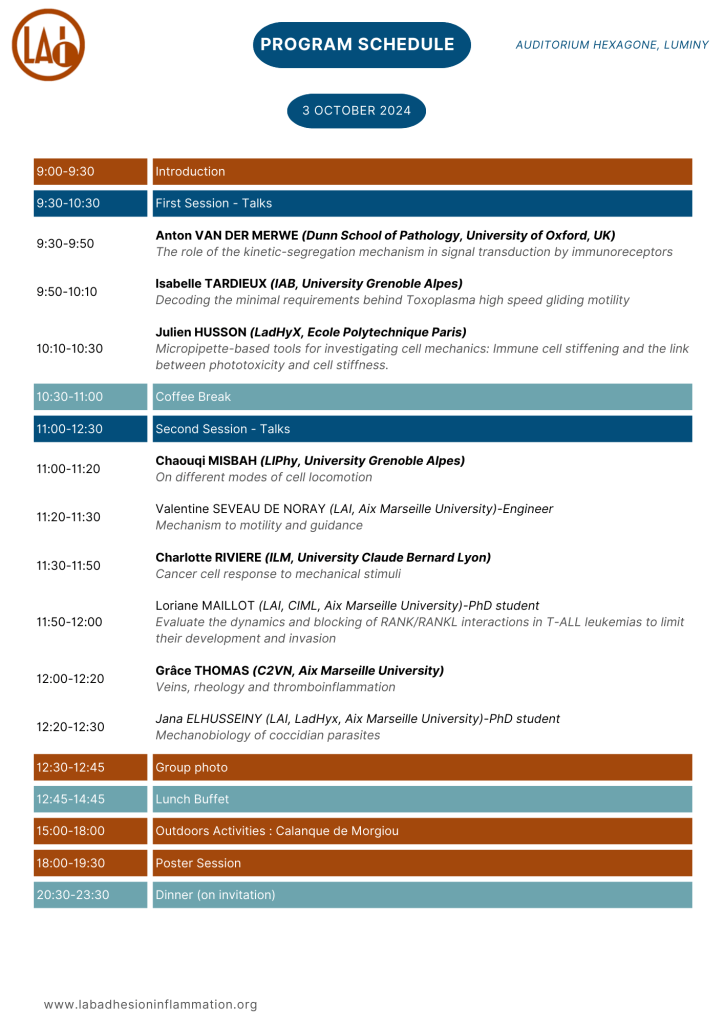
This October, our lab marked a major milestone with a two-day symposium at the Hexagon Auditorium in Luminy. The event brought together distinguished speakers, alumni, collaborators, and the scientific community to reflect on 30 years of innovation and progress. Attendees enjoyed insightful presentations covering our lab’s research areas and celebrated the collaborative spirit driving our work forward.

A heartfelt thank you to everyone who joined us in commemorating this journey of scientific discovery! For more information and details about the event, please visit our page: https://labadhesioninflammation.org/30years/.

Physics of Living Matter 18 Conference Participation

We are excited to announce that several members of our laboratory participated in the 18th edition of the Physics of Living Matter Conference (PLM 18), held on September 16-17, 2024, at the Palais du Pharo, Marseille. This prestigious international symposium, organized by CENTURI – Turing Centre for Living Systems, gathered interdisciplinary scientists from all over the world to explore the interface between physics and biology.

Laurent Limozin, Florian Dupuy, Arnauld Serge, Gaurav Verma, Jana Elhusseiny, Ahmad Awada, and Lorna Ammer attended the event. During the poster sessions, Arnauld, Ahmad, Jana, and Gaurav presented their research through poster presentations.

The conference featured a vibrant environment for scientific exchange and collaboration. We are thrilled to have been a part of this inspiring event and look forward to contributing to future editions.

LAI’s 30th Anniversary Symposium !

We’re thrilled to announce LAI’s 30th Anniversary Symposium, taking place on October 3rd and 4th at the Hexagon Auditorium in Luminy!

This special event will feature a lineup of speakers sharing their research and insights covering the various topics of the lab. It’s a unique opportunity to celebrate 30 years of research and reflect on our collective achievements. We are excited to welcome alumni, collaborators, associates of the lab, and the scientific community, who have all played a part in our journey.

The registration is free but mandatory, so be sure to reserve your spot here: https://lai30.sciencesconf.org/

For the full program schedule, please visit: https://labadhesioninflammation.org/30years/

We can’t wait to see you there for this milestone event!

A new article on morphodynamics of T-lymphocytes: Scanning to spreading

Binding of the T cell receptor complex to its ligand, the subsequent molecular rearrangement, and the concomitant cell-scale shape changes represent the very first steps of adaptive immune recognition. The first minutes of the interaction of T cells and antigen presenting cells have been extensively scrutinized; yet, gaps remain in our understanding of how the biophysical properties of the environment may impact the sequence of events. In particular, many pioneering experiments were done on immobilized ligands and gave major insights into the process of T cell activation, whereas later experiments have indicated that ligand mobility was of paramount importance, especially to enable the formation of T cell receptor clusters. Systematic experiments to compare and reconcile the two schools are still lacking. Furthermore, recent investigations using compliant substrates have elucidated other intriguing aspects of T cell mechanics. Here we review experiments on interaction of T cells with planar artificial antigen presenting cells to explore the impact of mechanics on adhesion and actin morphodynamics during the spreading process. We enumerate a sequence tracing first contact to final spread state that is consistent with current understanding. Finally, we interpret the presented experimental results in light of a mechanical model that captures all the different morphodynamic states.

https://doi.org/10.1016/j.bpj.2024.02.023

Sequence of ligand recognition and spreading phases. Schemes (not to scale) show T cell morphology, and micrographs show labeled actin cytoskeleton (GFP-lifeact, TIRF mode) as a T cell undergoes adhesion to a ligand-covered surface.

A new article on antigen density and applied force control enrichment of nanobody-expressing yeast cells in microfluidic

In vitro display technologies such as yeast display have been instrumental in developing the selection of new antibodies, antibody fragments or nanobodies that bind to a specific target, with affinity towards the target being the main factor that influences selection outcome. However, the roles of mechanical forces are being increasingly recognized as a crucial factor in the regulation and activation of effector cell function. It would thus be of interest to isolate binders behaving optimally under the influence of mechanical forces. We developed a microfluidic assay allowing the selection of yeast displaying nanobodies through antigen-specific immobilization on a surface under controlled hydrodynamic flow. This approach enabled enrichment of model yeast mixtures using tunable antigen density and applied force. This new force-based selection method opens the possibility of selecting binders by relying on both their affinity and force resistance, with implications for the design of more efficient immunotherapeutics.

https://doi-org.proxy.insermbiblio.inist.fr/10.1039/D4LC00011K