A new article on morphodynamics of T-lymphocytes: Scanning to spreading

Binding of the T cell receptor complex to its ligand, the subsequent molecular rearrangement, and the concomitant cell-scale shape changes represent the very first steps of adaptive immune recognition. The first minutes of the interaction of T cells and antigen presenting cells have been extensively scrutinized; yet, gaps remain in our understanding of how the biophysical properties of the environment may impact the sequence of events. In particular, many pioneering experiments were done on immobilized ligands and gave major insights into the process of T cell activation, whereas later experiments have indicated that ligand mobility was of paramount importance, especially to enable the formation of T cell receptor clusters. Systematic experiments to compare and reconcile the two schools are still lacking. Furthermore, recent investigations using compliant substrates have elucidated other intriguing aspects of T cell mechanics. Here we review experiments on interaction of T cells with planar artificial antigen presenting cells to explore the impact of mechanics on adhesion and actin morphodynamics during the spreading process. We enumerate a sequence tracing first contact to final spread state that is consistent with current understanding. Finally, we interpret the presented experimental results in light of a mechanical model that captures all the different morphodynamic states.

https://doi.org/10.1016/j.bpj.2024.02.023
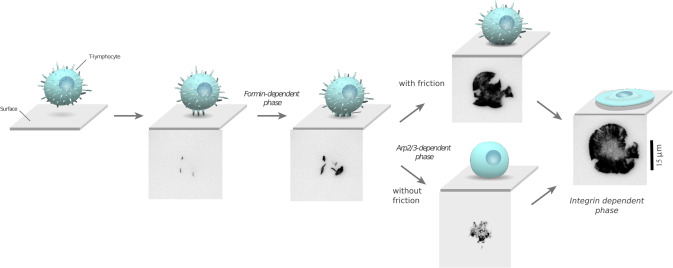
Sequence of ligand recognition and spreading phases. Schemes (not to scale) show T cell morphology, and micrographs show labeled actin cytoskeleton (GFP-lifeact, TIRF mode) as a T cell undergoes adhesion to a ligand-covered surface.
A new article on antigen density and applied force control enrichment of nanobody-expressing yeast cells in microfluidic

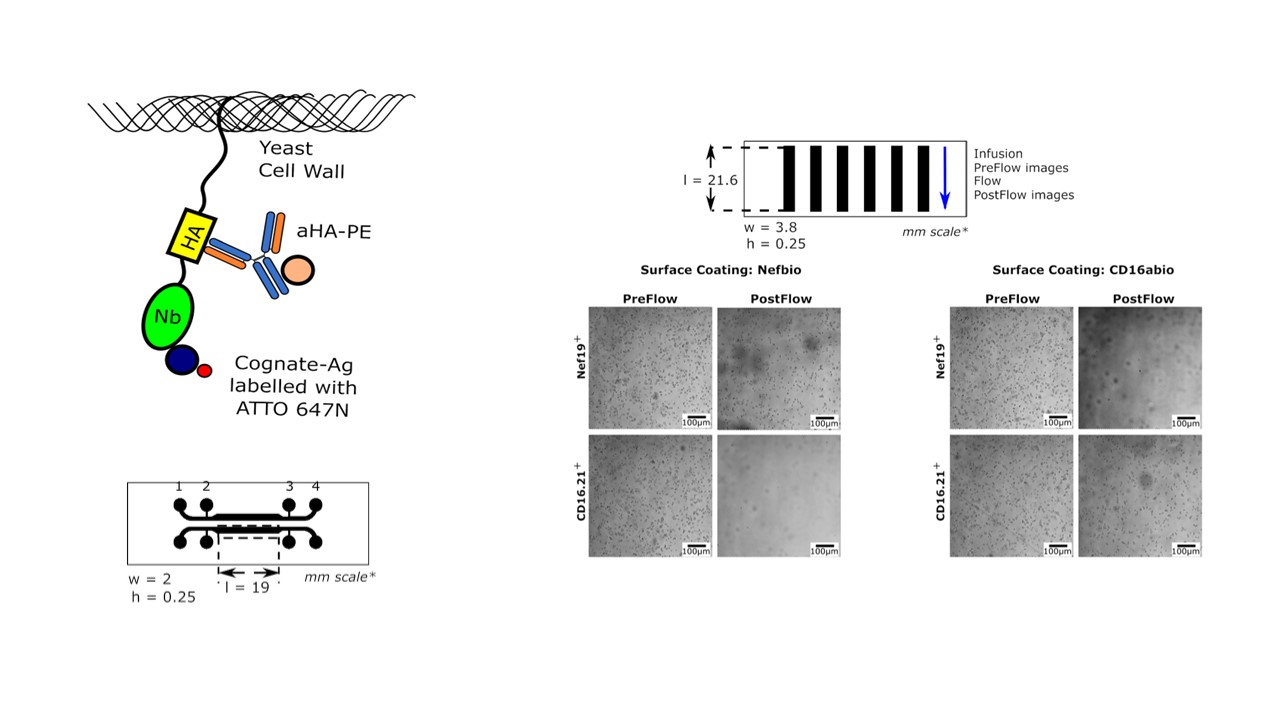
In vitro display technologies such as yeast display have been instrumental in developing the selection of new antibodies, antibody fragments or nanobodies that bind to a specific target, with affinity towards the target being the main factor that influences selection outcome. However, the roles of mechanical forces are being increasingly recognized as a crucial factor in the regulation and activation of effector cell function. It would thus be of interest to isolate binders behaving optimally under the influence of mechanical forces. We developed a microfluidic assay allowing the selection of yeast displaying nanobodies through antigen-specific immobilization on a surface under controlled hydrodynamic flow. This approach enabled enrichment of model yeast mixtures using tunable antigen density and applied force. This new force-based selection method opens the possibility of selecting binders by relying on both their affinity and force resistance, with implications for the design of more efficient immunotherapeutics.

https://doi-org.proxy.insermbiblio.inist.fr/10.1039/D4LC00011K

External Seminar: Katelyn Spillane’s Insightful Talk on B Cell Activation

We are excited to highlight a key moment from our June 28th seminar. Katelyn Spillane from the Department of Life Sciences at Imperial College London delivered a fascinating presentation titled “Physical Regulation of B Cell Activation in the Immune Synapse.” She explored the intricate mechanisms behind B cell activation within the immune synapse.

Her talk captivated the audience, featuring an interactive Q&A session that encouraged deeper exploration and discussion of the latest research findings.

We extend our heartfelt thanks to Katelyn for her valuable contribution.

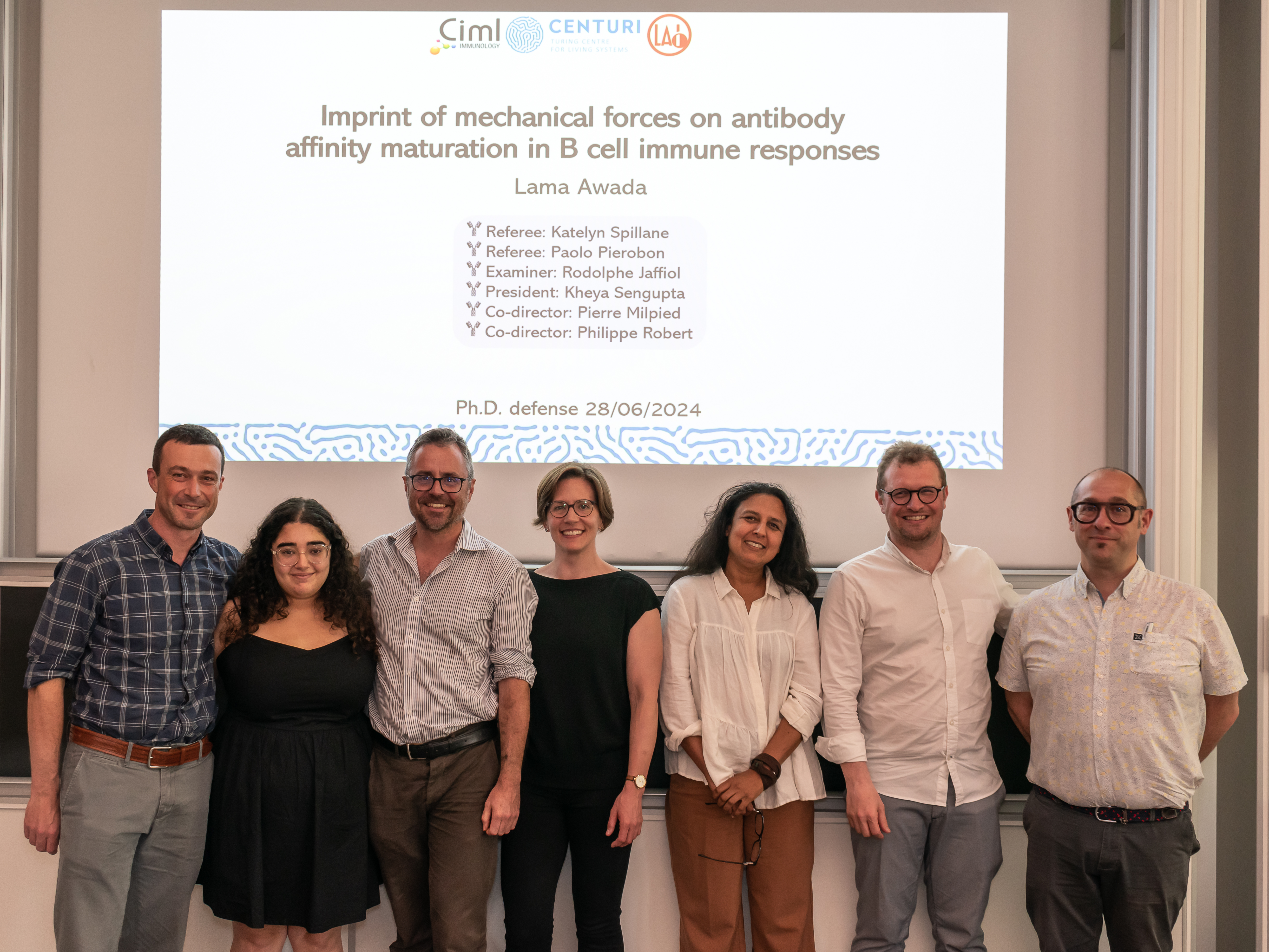
LAI celebrated its newest Dr !

On the 28th of June 2024, Lama Awada successfully defended her work titled “Imprint of mechanical forces on antibody affinity maturation in B cell immune responses“. This achievement was presented to a distinguished panel of experts in the field, including Katelyn Spillane, Paolo Pierobon, Rodolphe Jaffiol, and Kheya Sengupta. Lama’s journey began as a Centuri student, under the supervision of Philippe Robert from LAI and Pierre Milpied from CIML.

Her dedication and hard work have culminated in this significant accomplishment, marking a pivotal moment in her academic career. Best of luck in your future endeavors, Lama!

Laboratoire d’Informatique et Systèmes PhD Students Day !

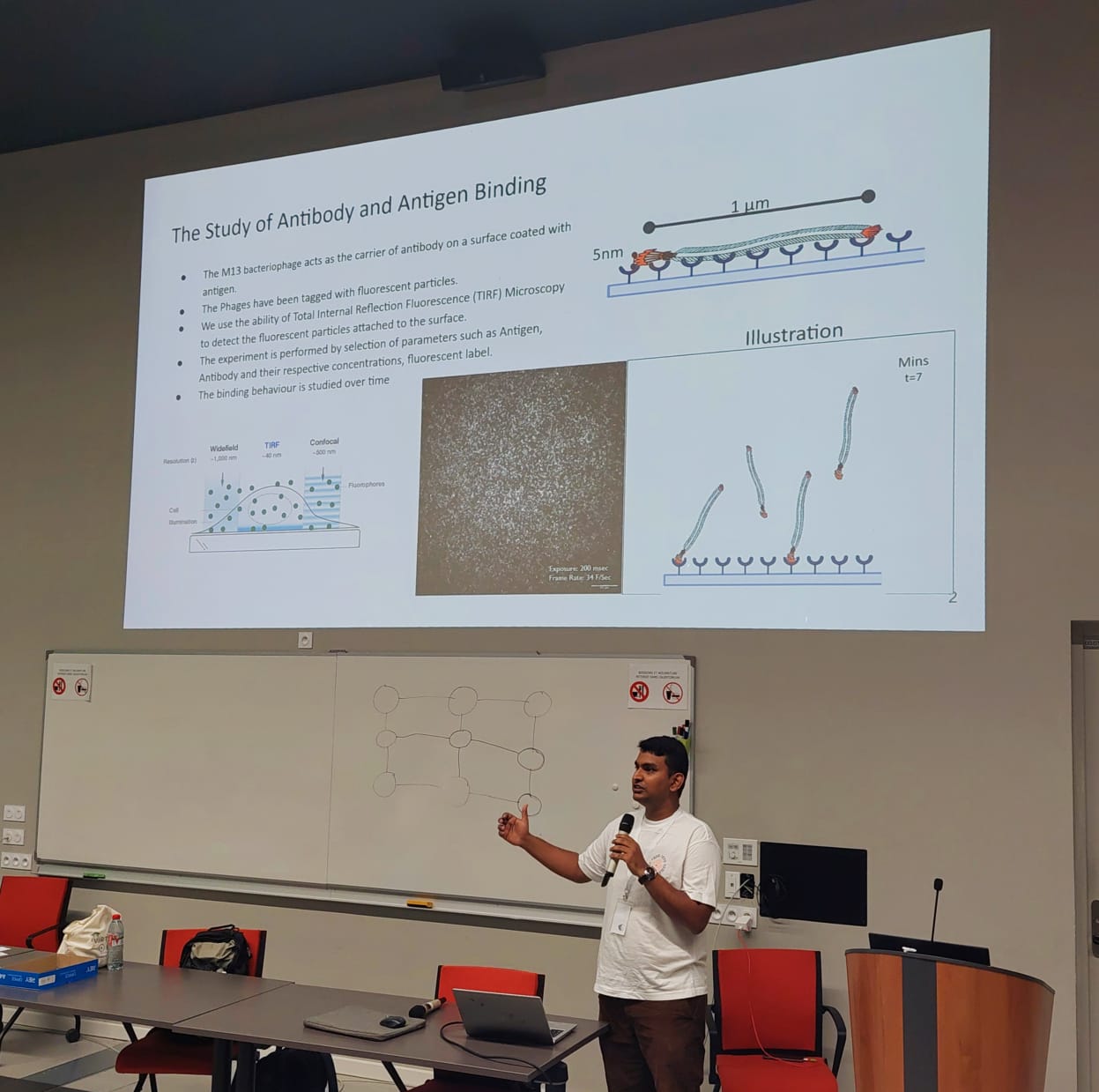
We are pleased to share that Chandrasekar Subramani Narayana recently participated in the LIS (Laboratoire d’Informatique et Systèmes) PhD Students Day on June 7, 2024. He presented his work titled “Counting Phage: Decoding Antibody & Antigen Kinetics Behavior,” which focuses on the counting task in fluorescence microscopy images and count-guided localization using deep learning and computer vision.

The event offered a valuable opportunity for sharing scientific interests and knowledge while discovering the diverse range of topics being explored by other PhD students and research teams.

European Thymus Meeting Participation

We are excited to share Arnauld Sergé‘s participation in European Thymus in Porto, 27-31 May 2024

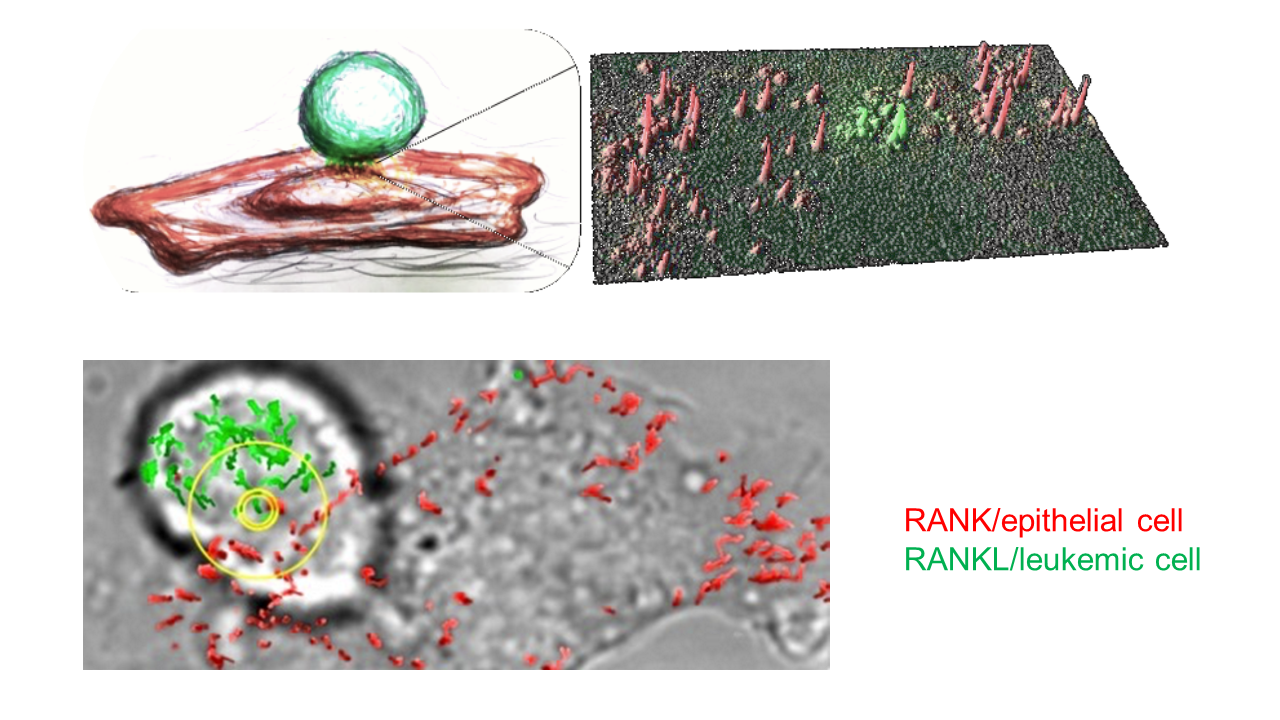
Arnauld presented a poster titled “Dynamics and Blockade of RANK/RANKL Interactions Between Leukemic and Thymic Epithelial Cells,” with contributions from Loriane Maillot, Martine Biarnes Pelicot, and Magali Irla from CIML.

T-cell acute lymphoblastic leukemias (T-ALL) are aggressive hematological cancers arising in the thymus from the malignant transformation of thymocytes. RANK and its ligand RANKL play a key role in thymic crosstalk. RANKL promotes thymic epithelial cell differentiation, sustaining the generation of a self-tolerant T-cell repertoire. The RANK/RANKL axis is a therapeutic target in oncology. However, its role in T-ALL remains unclear. RANKL is overexpressed during leukemogenesis. (i) we evaluate the dynamics of RANK/RANKL interactions, measured by single-molecule tracking. We evaluate the effects of an anti-RANKL antibody, a decoy receptor and the soluble form of RANKL. (ii) we assessthe therapeutic potential of an anti-RANKL antibody in T-ALL dissemination. Our aim is to shed light on the role of the RANK/RANKL axis in the emergence and dissemination of T-ALL.

17th International Toxoplasmosis Conference Participation

We are excited to announce that Aurélien Dumètre and Jana El Husseiny recently attended the 17th International Toxoplasmosis Conference in Berlin, Germany. This event covered various aspects of Toxoplasma research, ranging from molecular biology to clinical disease and epidemiology.

Before the main conference, they participated in the 3rd Environmental Toxoplasmosis Meeting, co-organized by Aurélien Dumètre and other experts in the field. This meeting focused on advancing the understanding of the environmental aspects and public health implications of Toxoplasmosis. Additionally, they attended a joint session with the ToxoDB workshop, which aimed to enhance participants skills and knowledge in using the ToxoDB database for research and data analysis.

Aurélien gave a talk at the workshop titled “Eimeria acervulina, a Promising Surrogate for the Study of Toxoplasma gondii Oocyst Inactivation.” Jana showcased her PhD project at both the workshop and the conference, delivering a talk at the workshop and presenting a turbo talk and a poster on her research titled “Unraveling Morphological and Biomechanical Responses to Harsh Environmental Conditions in Coccidian Oocysts.”

We are proud of their contributions and the recognition of their work at these significant scientific gatherings.

CENTURI – Turing Centre for Living Systems Scientific Day !

We are pleased to share that Ahmad Awada delivered an insightful presentation titled “Effects of Adhesion and Confinement on Leukocyte Migration” at the CENTURI – Turing Centre for Living Systems scientific day: Success Stories and New Horizons, held on May 30th at Jardins du Pharo.

The event was a remarkable gathering, bolstering the community spirit through networking and the sharing of ideas and future outlooks. It provided an excellent platform for researchers to connect, collaborate, and envision new horizons in scientific research.

Les Athlètes Improbables Return to La Marseillaise des Femmes 2024!

We are thrilled to announce that our lab team, “Les Athlètes Improbables,” has upheld their annual tradition by participating for the second time in La Marseillaise des Femmes 2024! Their continuous dedication and teamwork were on full display, demonstrating remarkable determination and spirit.

Congratulations to “Les Athlètes Improbables” for your outstanding effort and inspiration to us all!

GDR Approches Quantitatives du Vivant 2024 Conference Participation

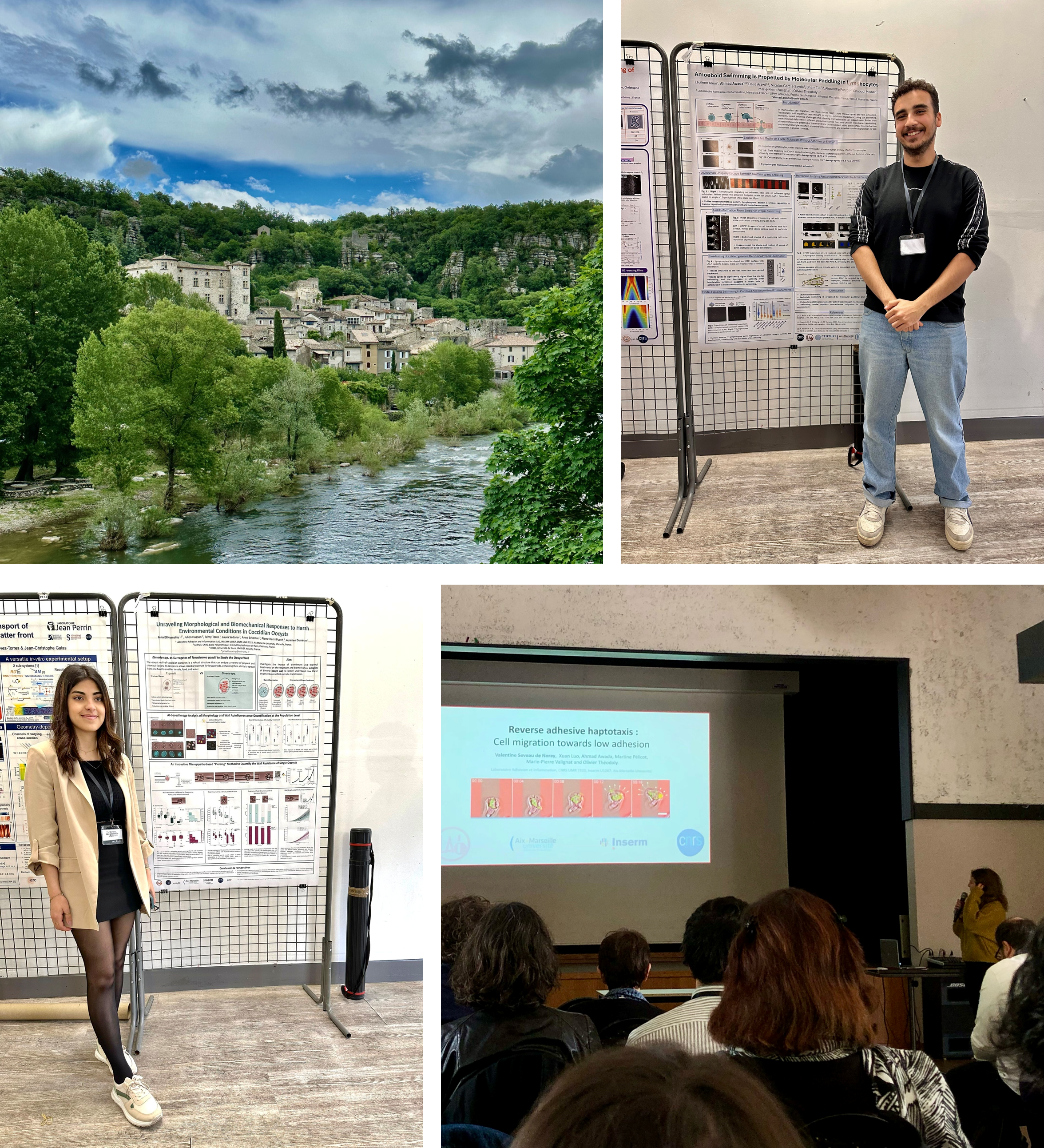
We are excited to present our team’s key contributions to the GDR Approches Quantitatives du Vivant 2024 conference, held in Vogüé, Ardèche:

  • Ahmad Awada’s Poster Presentation: “Amoeboid Swimming is Propelled by Molecular Paddling in Lymphocytes”
  • Jana El Husseiny’s Poster Presentation: “Unraveling Morphological and Biomechanical Responses to Harsh Environmental Conditions in Coccidian Oocysts”
  • Valentine Seveau de Noray’s Talk: “Reverse Adhesive Haptotaxis: Cell Migration Towards Low Adhesion”

We extend our gratitude to the conference organizers for a stimulating and inspiring event. We look forward to continuing our research and sharing our findings with the scientific community.